
PUBLISHED BY : “AMIN & LEE”
Certainly, here are some tips for identifying fresh food:
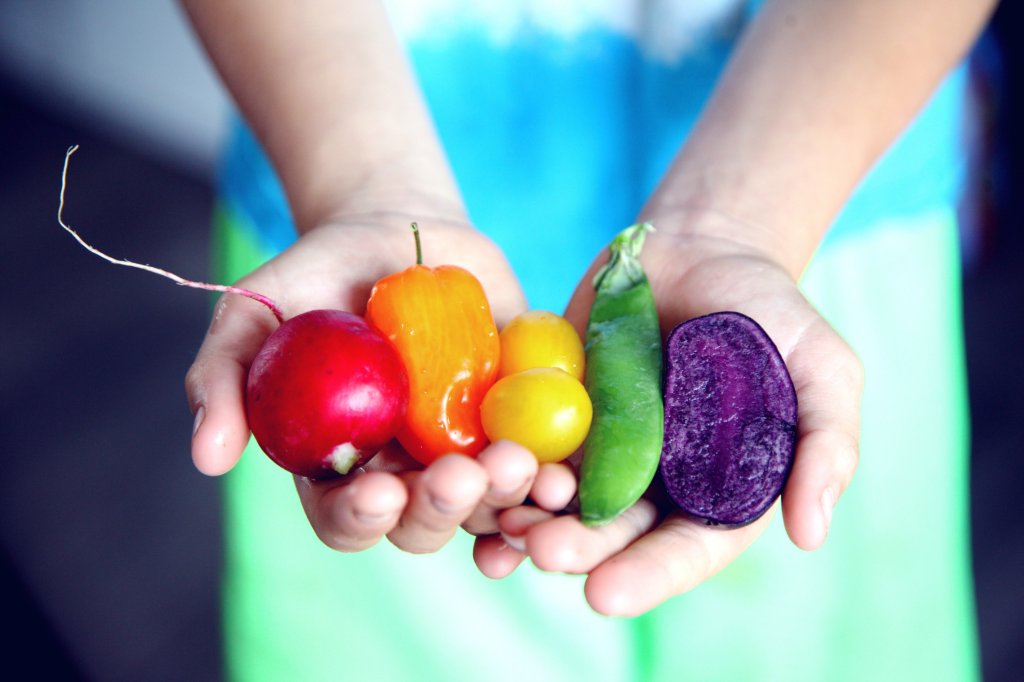
1. Check for signs of dehydration in fruits and vegetables. Fresh produce typically has a high water content, so if you notice shriveled skin, wrinkles, or signs of drying or damage in your fruits and vegetables, it may not be fresh.
2. Take note of the food’s appearance. Fresh food is typically whole and visually appealing. If you notice signs of cutting, dicing, or chopping, or if the food is discolored or has bruises, it may not be fresh.
3. Follow safe handling and storage procedures. Fresh food will not stay fresh for long if it is not handled and stored properly. Make sure to keep produce in a cool, dry place and to separate meats from other items to avoid cross-contamination.
4. Shop at reputable sources. To ensure the quality of the food you’re eating, shop at a reputable grocery store or market. These sources usually have a high turnover rate, so the food will likely be fresher overall.
5. Check the texture of bread or bakery items. These items should be firm and springy to the touch, and not hard or mushy.
1. Check the color: Bright colors often indicate freshness. For example, fresh vegetables usually have vibrant colors, while old ones may appear dull or discolored.
2. Check the texture: In addition to checking for sliminess, sticky or soft areas may also indicate that food is not fresh.
3. Check the packaging: If the packaging is swollen or puffy, it could mean that the food is spoiled and should not be consumed.
4. Check the temperature: Certain foods like meat, dairy, and eggs need to be stored at the correct temperature to prevent spoilage. If they are not stored at the correct temperature, it could affect their freshness.
5. Trust your instincts: If something doesn’t look, smell, or feel right, it’s best to err on the side of caution and not consume it.
Remember, consuming fresh, healthy food is important for overall well-being. Using the tips above can help you to identify fresh food and avoid consuming spoiled or outdated food.
1. Look for signs of freshness versus overripe or stale food. Fresh produce will generally be firm and taut, while overripe or stale items will be soft or mushy. Similarly, fresh bread will be springy and fluffy, while stale bread will be hard and dry.
2. Consider the source of the food. If you are purchasing food from a reputable grocery store or farmer’s market, the food is more likely to be fresh than if you are unsure of the source.
3. Buy food in season. Food that is in season is generally fresher than food that has been shipped from outside of the country or grown in a greenhouse.
4. Store food properly. Following proper storage guidelines, such as storing produce in the refrigerator crisper drawer or freezing food that won’t be used immediately, can help ensure that it stays fresh for longer.
5. Smell the food. Fresh food often has a pleasant smell, while food that is past its prime may have an off-putting odor.
By using these additional tips, you’ll be better equipped to find and select fresh food that will be more nutritious and enjoyable to consume.
There are a few ways to tell if food is fresh or not. Here are some tips:

1. Check the expiration date: Most packaged goods have an expiration date printed on the label. If the product has passed the expiry date, it may not be fresh.
2. Check for mold, discoloration, or unusual odors: If fresh fruits, vegetables or meats have mold, discoloration, or a strange odor, it could mean that they are not fresh and should be discarded.
3. Look for signs of spoilage: For example, if milk smells sour, cheese is slimy or moldy, or bread is hard and dry, it could indicate spoilage and that it is no longer fresh.
4. Check the texture: Certain foods like fresh fish and poultry should be firm and not slimy or sticky, as this could be a sign that they are not fresh.
5. Use your senses: Your sense of sight, smell, and touch can help you determine if a food is fresh or not. Trusting your senses can help you to identify when a food is past its expiration date or has signs of spoilage.
Overall, it’s important to be aware of how long certain foods can stay fresh and to consume them before they begin to spoil. Proper storage and handling of food can also help to preserve its freshness.
1. Check the packaging for punctures or leaks. Damaged packaging can allow air and bacteria to enter and spoil the food inside.
2. Look for signs of freshness in eggs. A fresh egg should have a thick, opaque white and a round, plump yolk that sits high, versus a flat and runny yolk which can be an indicator of age.
3. Check the color of meat. Fresh meat should be a bright, cherry-red color. Brown, gray or dull colored meat may indicate spoilage or age.
4. Trust your sense of taste. Fresh food should taste good, while old or stale food may have a bland or off-putting taste.
5. Check expiration dates, particularly with perishable items like dairy or meats. Products past their expiration date should generally be avoided.
Don’t forget to subscribe to our YouTube channel and TikTok to see more healthy recipe ideas and cooking tips. You can also visit our website to find more information about healthy eating and living. Thank you for watching and we look forward to sharing more with you soon!
Thank you for showing interest in our website and for taking the time to read these tips for identifying fresh food. We hope that you found this information helpful in selecting and consuming fresh, nutritious food. Remember, consuming fresh food can have a positive impact on your overall health and well-being, so it’s important to use these tips to identify and purchase the freshest food possible. If you have any questions, feel free to explore our website for more information or reach out to us directly.❤️
 kitchen gates
One response to “How can I tell if the food is fresh or not?”
[…] Healthy […]