
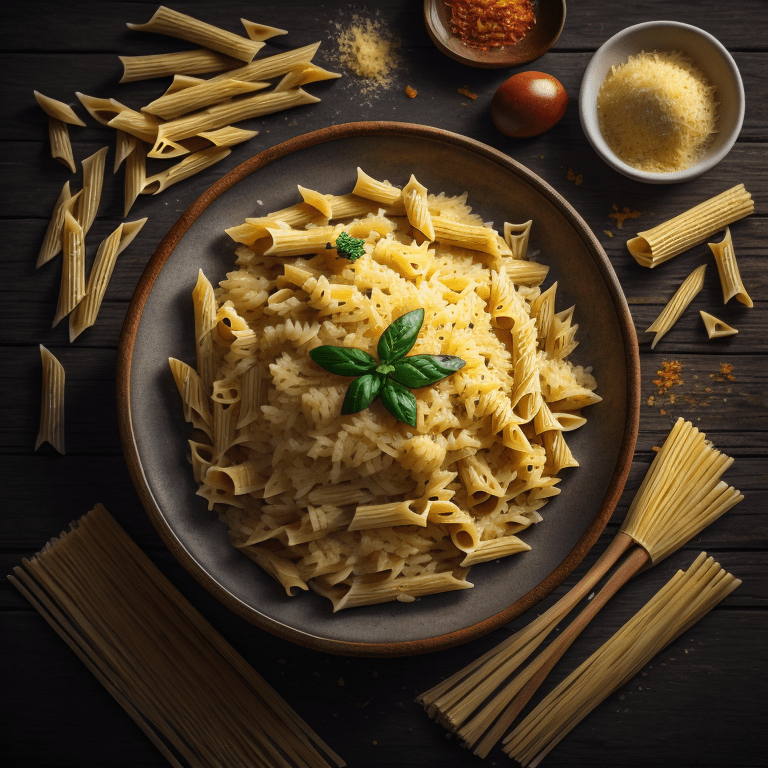
Eating pasta and rice alone generally does not make you gain weight, as their calorie content is not inherently fattening. However, consuming excessive amounts of #pasta and #rice or pairing them with high-calorie sauces and toppings, can contribute to weight gain.
PUBLISHED BY : “AMIN & LEE”
It’s important to keep track of your portion sizes and consume pasta and rice in moderation, especially if you are trying to maintain or lose weight. Pairing pasta and rice with lean protein sources like grilled chicken, turkey or fish, along with plenty of vegetables, can help create a balanced meal that will keep you full and satisfied for longer.
In conclusion, eating pasta and rice in moderation, and pairing them with healthy protein, fiber-rich vegetables, and a moderate amount of healthy fats, can be part of a balanced diet that does not lead to weight gain.
Here’s some information about pasta and rice:
Pasta:
Pasta is a type of Italian cuisine made from a dough consisting of durum wheat flour, semolina flour, water, and, occasionally, eggs. It can be prepared in a variety of ways and paired with a range of sauces and toppings.
Here are some facts about pasta:
– Pasta contains carbohydrates, protein, and some vitamins and minerals.
– Whole-grain pasta is typically higher in fiber and protein.
– Pasta is versatile and can be prepared in a number of ways: boiled, baked, sautéed, or fried.
– There are many different types of pasta, including spaghetti, fettuccine, penne, lasagna, and more.
Rice:
Rice is a staple food and an important source of dietary carbohydrates for many cultures around the world. It is typically consumed cooked and served as a side dish or used as an ingredient in a wide range of dishes.
Here are some facts about rice:
– Rice contains carbohydrates and some vitamins and minerals.
– Brown rice is typically higher in fiber and protein.
– There are many different types of rice, including white, brown, Basmati, Jasmine, and wild rice.
– Rice is versatile and can be used in a variety of dishes, including stir-fries, sushi, rice pudding, and more.
In conclusion, pasta and rice are popular staple foods that can be incorporated into a healthy, balanced diet. It’s important to choose whole-grain options whenever possible, as they are typically higher in fiber and protein than their refined counterparts. And, as with any food, it’s important to watch portion sizes and consume in moderation.
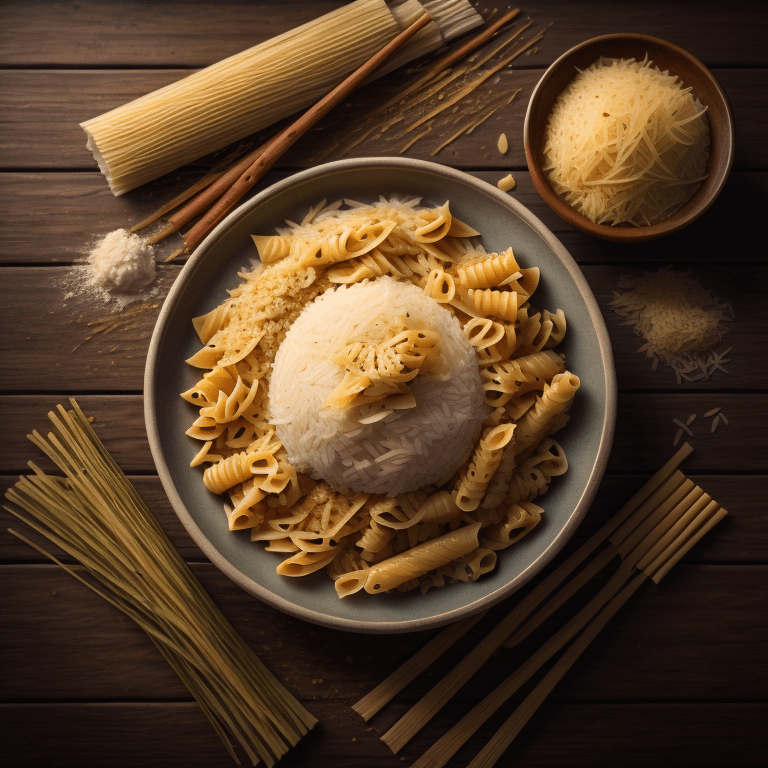
Both pasta and rice are staple foods that are widely consumed across the world. Here are some reasons why you should include and rice in your diet, along with some tips on how to eat them:
Pasta:
– Source of carbohydrates: Pasta is a rich source of carbohydrates, which provides energy to the body.
– Versatile: Pasta can be prepared in a variety of ways, from a simple pasta salad to a classic spaghetti Bolognese.
– Quick and easy: Pasta is a convenient food that can be prepared quickly, making it an ideal option for busy weeknights.
Tips for eating pasta:
– Opt for whole-grain pasta instead of refined pasta, as it is higher in fiber and nutrients.
– Serve pasta with lean protein sources such as grilled chicken or fish for a balanced meal.
– Add plenty of vegetables to your pasta dishes for added fiber, vitamins, and antioxidants.
Rice:
– Source of carbohydrates: Rice is a good source of carbohydrates, which provides energy to the body.
– Variety: There are many types of rice available, which can be prepared in a range of ways and serve as a base for a variety of dishes.
– Gluten-free: Rice is naturally gluten-free, making it a great option for people with gluten sensitivities or celiac disease.
Tips for eating rice:
– Choose brown rice over white rice, as it is higher in fiber and nutrients.
– Pair rice with protein sources such as beans, tofu, or meat for a balanced meal.
– Cook rice in broth or add spices for added flavor.
In conclusion, both pasta and rice are nutritious and versatile foods with many benefits. When consuming them, it’s important to choose healthier options like whole-grain pasta and brown rice, and to pair them with lean protein sources and plenty of vegetables for a balanced meal.
The of pasta and rice you should consume per week depends on several factors, such as your age, gender, level of physical activity, and overall calorie needs. As a general guideline, the USDA recommends that adults consume 3-5 servings of grains per day, with at least half coming from whole-grains. A serving size for pasta and rice is typically 1/2 cup (cooked), which translates to around 1 ounce (dry) of pasta or rice.
It’s important to keep in mind that portion sizes vary depending on the type of pasta or rice you choose. For example, 1 cup of cooked brown rice is equivalent to 2 servings of whole-grains, while 1 cup of cooked white rice is equivalent to 1 serving of grains.
In addition to portion sizes, it’s important to take into account the sauces and toppings you use with pasta and rice. For example, a pasta dish with a creamy Alfredo sauce will be higher in calories and fat than a simple tomato sauce.
In conclusion, the recommended amount of pasta and rice you should consume per week depends on your individual nutrient needs and calorie requirements. Be mindful of portion sizes and choose healthier options like whole-grain pasta and brown rice for maximum health benefits.
For more follow us :
#rice #pasta #noddles #spagetty #foodie #foodporn #instafood #yum #delicious #healthyfood #foodstagram #foodphotography #foodgasm #foodlover #foodblog #recipe #eatclean #organicfood #vegetarian #vegan #foodblogger #tasty #homemade #cheflife
 kitchen gates