
published by : “AMIN &LEE”
There are many reasons why you should eat vegetables:
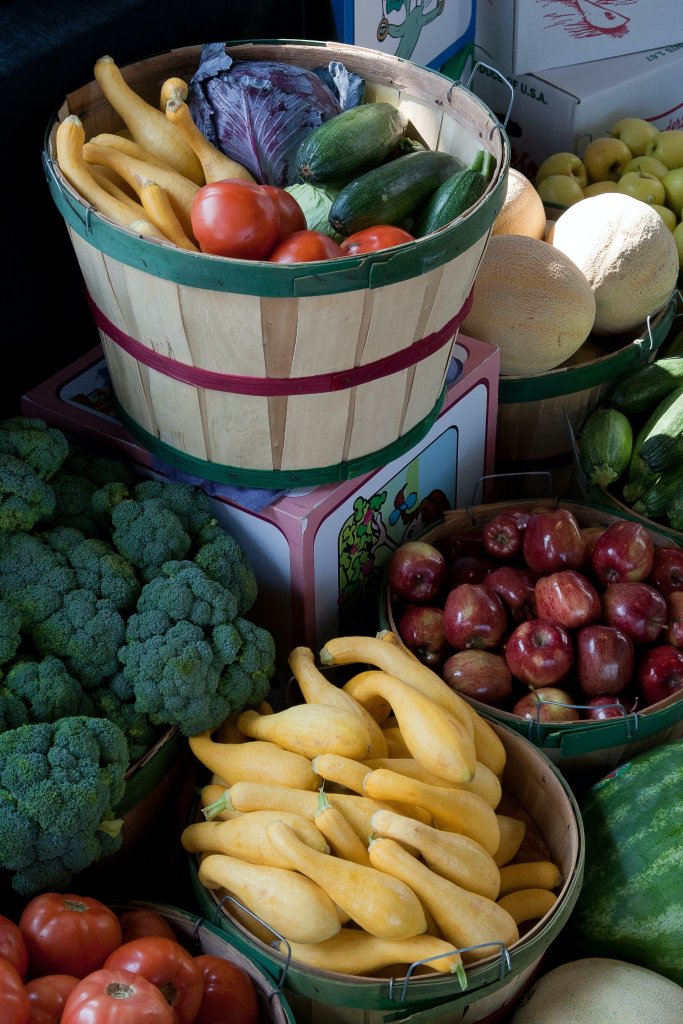
1. Nutrients – Vegetables are packed with essential nutrients like vitamins, minerals, and antioxidants that are important for good health.
2. Fiber – Most vegetables are high in fiber, which is important for digestive health and helps regulate blood sugar levels.
3. Weight management – Vegetables are low in calories and high in fiber, making them a great food choice for maintaining a healthy weight.
4. Disease prevention – Eating a diet rich in vegetables has been linked to a reduced risk of chronic diseases like heart disease, stroke, and certain types of cancer.
5. Hydration – Many vegetables are high in water content, which helps keep the body hydrated.
6. Variety – Eating a variety of different vegetables ensures that you are getting a range of nutrients and helps keep your meals interesting and flavorful.
7. Overall health and well-being – Consuming a diet high in vegetables is important for overall health and well-being, providing your body with the necessary nutrients it needs to function properly.
In conclusion, eating vegetables is essential for maintaining good health and well-being. So, include a variety of vegetables in your diet to experience their wide-ranging benefits.
Here is a list of vegetables sorted by the vitamins they contain and their type .
Vitamin A:
1. Carrots
2. Sweet potatoes
3. Spinach
4. Kale
5. Butternut squash
6. Turnip greens
7. Pumpkin
8. Collard greens
9. Swiss chard
10. Mustard greens
11. Broccoli
12. Red peppers
13. Beet greens
14. Tomato
15. Peas
Vitamin B:
1. Asparagus
2. Spinach
3. Broccoli
4. Brussels sprouts
5. Green peas
6. Lima beans
7. Tomatoes
8. Bell peppers
9. Cauliflower
10. Cabbage
11. Onions
12. Garlic
Vitamin C:
1. Bell peppers
2. Broccoli
3. Brussels sprouts
4. Kale
5. Spinach
6. Tomatoes
7. Sweet potatoes
8. Peas
9. Asparagus
10. Cucumber
11. Green beans
12. Zucchini
13. Cabbage
14. Cauliflower
15. Carrots
Vitamin D:
1. Mushrooms (exposed to UV light)
2. Fortified cereals
3. Fortified soy milk
4. Fortified orange juice
Vitamin E:
1. Spinach
2. Swiss chard
3. Mustard greens
4. Turnip greens
5. Red peppers
6. Asparagus
7. Broccoli
8. Green peas
9. Tomato
10. Carrots
11. Sweet potatoes
Vitamin K:
1. Kale
2. Spinach
3. Collard greens
4. Mustard greens
5. Turnip greens
6. Broccoli
7. Brussels sprouts
8. Cabbage
9. Green peas
10. Asparagus
11. Lettuce
Type:
1. Leafy greens: spinach, kale, collards, lettuce, mustard greens, bok choy, chard, watercress
2. Cruciferous veggies: broccoli, cauliflower, Brussels sprouts, cabbage, bok choy, kohlrabi, rutabaga
3. Alliums: garlic, onions, shallots, leeks, chives
4. Root veggies: beets, sweet potatoes, turnips, yams, onions, carrots, radishes
5. Nightshade veggies: tomatoes, bell peppers, eggplant, potatoes
6. Squash and pumpkin: zucchini, butternut, spaghetti squash, acorn, pumpkin
7. Legumes: peas, beans, lentils, chickpeas
8. Other veggies: asparagus, artichokes, cucumbers, celery, mushrooms, okra, corn
1. Vitamin A – Carrots, sweet potatoes, spinach, kale, collard greens, butternut squash, broccoli, and pumpkin.
2. Vitamin B1 (thiamin) – Green peas, asparagus, Brussels sprouts, spinach, mushrooms, sweet potatoes, cabbage, and eggplant.
3. Vitamin B2 (riboflavin) – Asparagus, spinach, mushrooms, broccoli, Brussels sprouts, and kale.
4. Vitamin B3 (niacin) – Sweet potatoes, corn, green peas, avocado, Brussels sprouts, asparagus, mushrooms, and lima beans.
5. Vitamin B6 – Sweet potatoes, bananas, spinach, broccoli, asparagus, bell peppers, and Brussels sprouts.
6. Vitamin C – Bell peppers, broccoli, spinach, Brussels sprouts, cauliflower, kale, sweet potatoes, and tomatoes.
I hope this information helps!
there are several vegetables that contain protein. Here are some examples:
1. Spinach – 1 cup of cooked spinach contains around 5 grams of protein.
2. Broccoli – 1 cup of cooked broccoli contains around 4 grams of protein.
3. Brussels sprouts -1 cup of cooked Brussels sprouts contains around 4 grams of protein.
4. Asparagus – cup of cooked asparagus contains around 4 grams of protein.
5. Artichokes – 1 medium artichoke contains around 4 grams of protein.
6. Peas – 1 cup of cooked peas contains around 9 grams of protein.
7. Sweet corn – 1 cup of cooked sweet corn contains around 5 grams of protein.
While these vegetables do contain protein, it’s important to note that they are not complete sources of protein, meaning they do not contain all of the essential amino acids that our bodies need. It’s important to consume a variety of protein sources to ensure you are getting all of the necessary nutrients for optimal health.
Several vegetables are good for heart health. Some examples of heart-healthy vegetables are:
1. Leafy greens like spinach, kale, and collard greens are rich in fiber, vitamin K, and other antioxidants that help lower blood pressure and inflammation in the body.
2. Tomatoes are rich in lycopene, which is a powerful antioxidant that helps prevent heart disease.
3. Beets are a good source of nitrates that help improve blood flow and lower blood pressure.
4. Carrots are high in fiber, vitamin K, and potassium, all of which are essential for heart health.
5. Sweet potatoes are loaded with fiber, potassium, and beta-carotene, all of which boost heart health.
6. Broccoli is a great source of fiber and sulforaphane, which is a compound that helps prevent heart disease.
7. Garlic is rich in allicin, a compound that helps lower blood pressure and cholesterol levels.
Including a variety of these heart-healthy vegetables in your diet can help promote optimal heart health.
Vegetables are very important to eat as they offer numerous health benefits. They are rich in vitamins, minerals, fiber, and antioxidants that are essential for maintaining good health. Consuming a diet high in vegetables has been linked to a reduced risk of chronic diseases like heart disease, stroke, and certain types of cancer Vegetables are also low in calories and high in fiber, making them a great food choice for weight management. They are also high in water content, which makes them a good food choice for hydration. Including a variety of vegetables in your diet can help ensure that you are getting all the necessary nutrients for optimal health. Therefore, it’s important to consume vegetables on a regular basis for overall health and well-being.
Thank you for showing interest in our website and for taking the time to read these tips for identifying fresh food. We hope that you found this information helpful in selecting and consuming fresh, nutritious food. Remember, consuming fresh food can have a positive impact on your overall health and well-being, so it’s important to use these tips to identify and purchase the freshest food possible. If you have any questions, feel free to explore our website for more information or reach out to us directly.❤️
#foodie #foodporn #instafood #yum #delicious #healthyfood #foodstagram #foodphotography #foodgasm #foodlover #foodblog #recipe #eatclean #organicfood #vegetarian #vegan #foodblogger #tasty #homemade #cheflife #vegetable #vegetables #vegie #veggie #green #vegi #vgtbl
 kitchen gates
One response to “Vegetables arround the world and their benefits”
[…] —->>>>>>>>>>READ MORE<<<<<<<<<<… “Farm-Fresh Vegetable Basket: A Taste of the Season in Every Bite” […]