

From Farm to Table: The Importance of Respecting Food through Sustainable Practices and Conscious Eating
Published by : (AMIN & LEE).
First, I thank everyone who has followed our website. We remind you that our publications are more precious than gold. I hope you will support us to reach 100 followers. Your follow-up to our page means a lot to us.
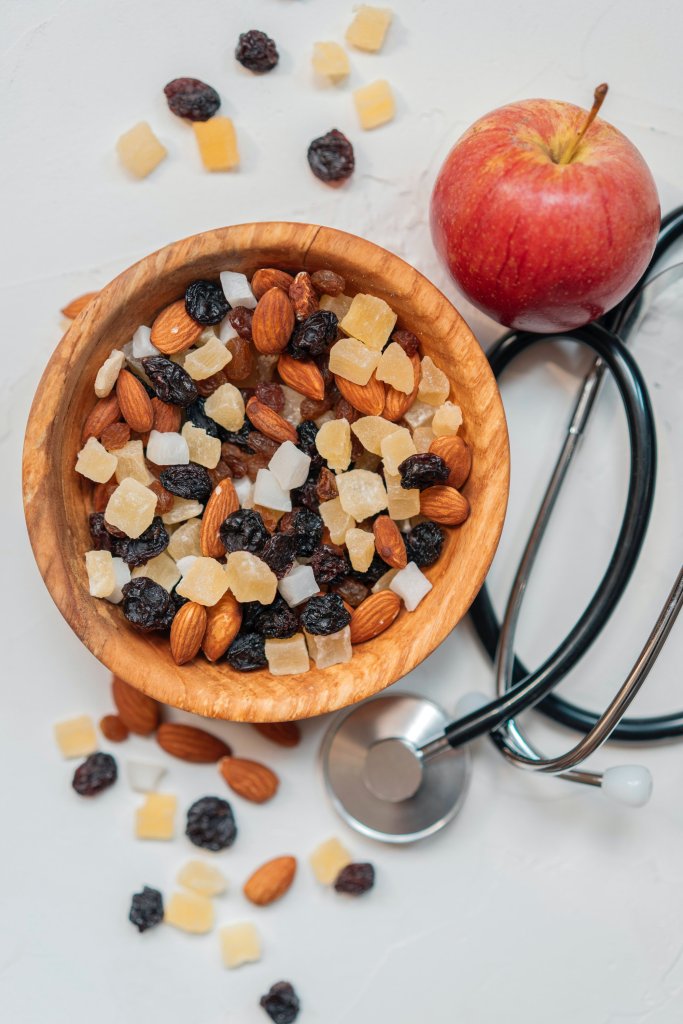
Food a fundamental part of human existence, and it is more than just a source of energy and nourishment. Our diets have a significant impact on our health, and can even act as a human doctor.
The old adage “you are what you eat” still holds true. Studies have shown that a healthy diet can help prevent chronic diseases like heart disease, diabetes, and even cancer. On the other hand, an unhealthy diet can increase the risk of developing these chronic illnesses.
Eating a balanced diet rich in nutrients, such as fruits, vegetables, whole grains, lean proteins, and healthy fats, can help to boost your immune system, regulate blood sugar levels, and decrease inflammation in the body.
One example of food acting as medicine is with probiotics. Probiotics are live bacteria and yeasts that are good for your health, especially your digestive system. They are found in foods like yogurt, kimchi, kombucha, and sauerkraut. Probiotics can help restore the natural balance of bacteria in your gut, improve digestion, and boost your immune system.
Another example is the anti-inflammatory properties of certain foods. Foods like turmeric, ginger, and salmon have anti-inflammatory properties that can help reduce inflammation in the body. Chronic inflammation has been linked to many chronic diseases, including heart disease and diabetes.
In addition to the physical health benefits of a healthy diet, it can also improve mental health. Studies have shown that people who eat a diet rich in fruits, vegetables, and whole grains are less likely to develop depression and other mental health disorders.
Food is a human doctor because it has a profound impact on our health and well-being. By eating a healthy and balanced diet, we can prevent chronic diseases, improve our immune response, and enhance our mental health. So, the next time you eat, remember that food is not just about satisfying your hunger, but also about keeping you healthy and happy.
Tell me about food ?
Food is essential for human survival because it provides our bodies with the necessary nutrients, vitamins, and minerals that are required for growth, development, and maintenance of good health. Our bodies need energy to perform basic functions such as breathing, maintaining body temperature, and circulating blood.
Energy is derived from the breakdown of food in our bodies. Carbohydrates, proteins, and fats in the foods we eat are metabolized into glucose, amino acids, and fatty acids, respectively, and then transported throughout the body to fuel these basic functions. Without food, our bodies would not have the energy to carry out vital processes, and we would eventually die.
In addition to providing energy, food also provides essential nutrients that the body cannot produce on its own. For example, vitamin C is essential for maintaining healthy skin and is found in fruits and vegetables. Calcium is essential for healthy bones and can be found in dairy products.
Food is also necessary for maintaining a healthy immune system. Our immune system requires certain nutrients like vitamin A, C, and E to function properly. These vitamins help to protect the body from infections and diseases.
In summary, humans cannot live without food because it provides the necessary nutrients and energy required to perform basic functions, maintain good health and well-being, and protect the body against infections and diseases.

Plants can be indeed be considered as a type of “food doctor”
———————————————————————-
for humans. Plants provide an abundance of essential nutrients, vitamins, and minerals that are necessary for human health. Fruits and vegetables, in particular, are rich in vitamins, antioxidants, and dietary fiber.
Eating a diet rich in plant-based foods has been shown to have numerous health benefits. For instance, studies suggest that eating a diet rich in fruits and vegetables may lower the risk of chronic diseases like heart disease, stroke, and cancer. Plant-based foods are often lower in unhealthy saturated fats and higher in healthy fats like omega-3 fatty acids, which can help promote good cholesterol levels and reduce the risk of heart disease.
In addition to that, the fiber content found in plants can help maintain a healthy digestive system and reduce the risk of gastrointestinal disorderslike constipation, diverticulitis, and colon cancer.
It’s also worthy of note that consuming a diet rich in plant-based foods can help to maintain a healthy weight and reduce the risk of obesity and type 2 diabetes.
#WHY_WE_EAT ?
It’s a popular question :
We eat for several reasons, among which the primary reasons are:
1. Energy: Our body requires energy to carry out various tasks like moving, breathing, and thinking. The calories we consume through food provide energy to our body to carry out these functions.
2. Nutrients: Our body requires essential nutrients and minerals to function properly. Many of these nutrients found in our food cannot be produced by our body, so we need to consume them through our diet.
3. Growth and Maintenance: Food is essential for the growth and repair of our body tissues, including muscle, bone, and organ tissue. It also helps to maintain the structures and functions of our body against daily wear and tear.
4. Regulation: Our eating habits are regulated by hunger and satiety cues that originate in various organs and hormones in our body.
5. Social and Cultural Reasons: Food is an essential part of socializing and culture. Sharing meals with friends and family can be a bonding experience, and it is an essential element of many cultures and traditions around the world.
In conclusion, We eat not just to quench our hunger, but to provide our body with essential nutrients and energy to function properly and to maintain our health.

#I_WANT_TO_LIVE_LONG_LIFE !
If you want to live a long, healthy life, it is essential to maintain a balanced diet that includes a variety of nutrient-rich foods. Here are some dietary guidelines that promote overall health and longevity:
1. Fruits and Vegetables: These are nutrient-dense foods that are high in fiber, vitamins, and minerals. They also contain antioxidants that help to prevent cell damage and reduce the risk of chronic diseases.
2. Whole grains: Whole grains like quinoa, whole rye, oats, and brown rice are rich in fiber, vitamins and minerals, providing long-lasting energy, and keeping you feeling full.
3. Healthy Fats : Consuming healthy fats like omega-3 fatty acids found in fatty fish, nuts and seeds, and avocados can reduce inflammation and lower the risk of heart disease.
4. Lean Protein: Incorporating lean protein sources like chicken, fish, beans, and soy products can help build and maintain muscle mass.
5. Limiting processed and refined foods: It’s also important to limit the consumption of processed and refined foods like sugary drinks, processed snacks, and fast food as they can increase the risk of chronic diseases like obesity and type 2 diabetes.
In summary, a balanced diet that focuses on natural, nutrient-dense foods like fruits and vegetables, whole grains, lean protein, and healthy fats supports longevity and promotes overall health and well-being.
Thank you for visiting our official website and reading our content. We hope you found the information useful and rich. We hope you will follow us for more useful articles for your health and the health of your family. Our mission is to provide you with content that promotes healthy living with nutritional foods. So, please continue. You can visit the home page by clicking here 👇
#food #is_the #doctor #of #human #aminnlee
 kitchen gates