

Eating ginger every morning can have some potential health benefits.
published by : (AMIN & LEE)
We wish our dear followers, after reading the following topic, to prove their presence with a like for the post, because your presence with us makes us happy
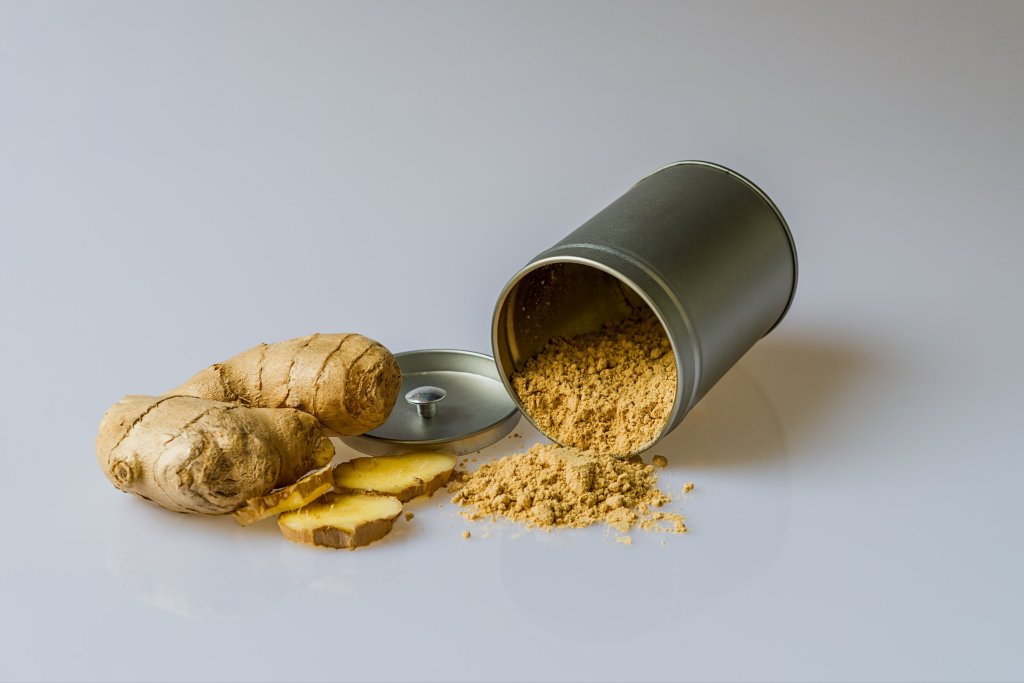
Ginger contains several beneficial compounds, including gingerol and shogaol, which have anti-inflammatory and antioxidant effects. Here are some potential health benefits of including ginger in your daily diet:
1. Anti-inflammatory properties: Ginger can help reduce inflammation in your body, which may help alleviate conditions like arthritis, asthma, and other inflammatory diseases.
2. Digestive health: Ginger has been shown to help with digestive issues like bloating, nausea, and constipation. It can also help to stimulate digestion and promote the absorption of nutrients from your food.
3. Immune system support: Ginger has antiviral and antibacterial properties that can help boost your immune system, which in turn may help prevent illness.
4. Lowered Blood Pressure and Cholesterol: Ginger has been found to lower the levels of harmful LDL cholesterol and blood pressure, reducing the risk of heart disease and stroke.
5. Reduced Menstrual Cramps: The anti-inflammatory effects of ginger can help to relieve menstrual cramps and other menstrual symptoms.
It’s worth noting that while ginger is generally considered safe for most people when consumed in moderate amounts, it can interact with certain medications like blood thinners or medications for diabetes. As such, it’s always best to check with your healthcare provider before adding ginger or any supplement to your daily diet.
In summary, adding ginger to your daily diet may offer several health benefits like reducing inflammation, supporting digestive health, boosting the immune system, and reducing menstrual cramps.
Here are some interesting secrets about ginger that you may not know:
1. Medicinal Properties: Ginger has been used for centuries as a natural remedy for various ailments like nausea, indigestion, and respiratory problems. It contains a compound called gingerol which is responsible for its potent medicinal properties.
2. Anti-inflammatory effects: Ginger has powerful anti-inflammatory properties that help to reduce inflammation in the body. Inflammation is a common cause of many chronic diseases, and consuming ginger may help prevent or alleviate these conditions.
3. Cancer Fighting Properties: Some studies suggest that ginger may have anti-cancer properties, particularly in colon and ovarian cancer. However, more research is needed to confirm these findings.
4. Anti-aging Effects: Ginger contains anti-oxidant compounds that can help protect against cellular damage, which may accelerate the aging process.
5. Culinary Uses: Ginger is a popular spice used in various dishes like curries, stews, and marinades. It gives a spicy and warm flavor to food and is also used in desserts like gingerbread and ginger snaps.
6. Beauty Uses: Ginger is an ingredient in many beauty products due to its anti-inflammatory and antioxidant effects. It is believed to help rejuvenate the skin and improve its elasticity.
In summary, ginger is a versatile herb that has many culinary and medicinal uses. It has potent anti-inflammatory, anti-oxidant, and anti-aging properties and can be used in various ways to promote health and vitality.

-Ginger root has been used as medicine for centuries for its various health benefits.
There are many ways to consume ginger, including in tea, spices, supplements, and in pure raw form.
1. Nausea: Ginger can be helpful for reducing nausea, including preventing motion sickness, postoperative nausea, and morning sickness during pregnancy.
2. Inflammatory Bowel Disease: Ginger has been found to reduce inflammation in the colon, making it potentially useful for treating inflammatory bowel disease such as ulcerative colitis.
3. Osteoarthritis: Ginger has anti-inflammatory effects that may reduce joint pain and stiffness, making it potentially useful for treating osteoarthritis.
4. High blood pressure: Research suggests that taking ginger extract may help reduce blood pressure and lower cholesterol levels.
5. Diabetes: Some studies show that ginger can help lower blood sugar and improve insulin sensitivity in people with diabetes.
1. Ginger Tea: One of the easiest ways to consume ginger is to make ginger tea. Boil water and add thin slices of fresh ginger root or 1-2 teaspoons of grated ginger root, and let it steep for a few minutes. You can also add lemon and honey for added flavor.
2. Smoothies: Adding fresh ginger to your smoothies is another way to enjoy the health benefits of ginger. For example, you can add ginger root to your fruit smoothies, green smoothies, or protein shakes.
3. Cooked Dishes: You can add fresh or dried ginger to various cooked dishes like stir-fries, soups, curries, and marinades. Ginger adds a spicy, warm flavor to savory dishes.
4. Raw Ginger: Chewing raw ginger root is another way to consume ginger. You can also add small slices of raw ginger on top of your salads or stir-fries.
5. Ginger Supplements: Ginger supplements are also available in the form of capsules and powders, and can be consumed with a glass of water.
Ginger is a flowering plant that belongs to the Zingiberaceae family, and its rhizome (underground stem) is the most commonly used part for culinary and medicinal purposes. The rhizome has a characteristic spicy aroma and is used in both its fresh and dried forms. In addition to its rhizome, ginger also has other parts and colors:
1. Leaves: The ginger plant has long and narrow leaves that grow from the stem. These leaves are green, and while they have some health benefits, they are not commonly used for culinary purposes.
2. Flowers: Ginger plant produces yellow and purple flowers that blossom from the ginger rhizome. However, the flowers are not commonly used for culinary purposes.
3. Roots/Rhizomes: As mentioned earlier, ginger rhizome is the most commonly used part for cooking and medicinal purposes. It is brown on the outside and yellow on the inside and can be used in various forms like fresh ginger, dried ginger, ginger paste, and ginger powder.
4. Skin: The outer layer of the ginger root is called the skin. The skin is thin and brown and is typically peeled before using the ginger.
5. Juice: In addition to the rhizome, ginger also produces juice. Fresh ginger can be juiced using a juicer or a blender, and the juice can be used in various ways- as a marinade, added to smoothies, salad dressings, or tea.
In summary, ginger is a flowering plant that has various parts, including its leaves, flowers, roots or rhizomes, skin, and juice. While the rhizomes are the most commonly used part for cooking and medicinal purposes, the other parts have some health benefits but are not commonly used in culinary practices.
Ginger can be used in a variety of recipes to add a warm, spicy flavor and plenty of health benefits. Here are some recipes that include ginger:
1. Ginger Tea: Ginger tea is an easy and healthy to add ginger to your diet. Boil 2 of water, add 2-3 slices of ginger root, and let it steep for 5-10 minutes. Add honey and lemon to taste.
2. Ginger Cookies: Ginger cookies are a delicious and healthy snack option. Mix together 1 cup of gluten-free flour, 1/4 cup of coconut sugar, 1 tablespoon of freshly grated ginger, 1/2 teaspoon of baking soda, and 1/2 teaspoon of cinnamon. Add 1/4 cup of melted coconut oil and 1/4 cup of maple syrup. Mix until well combined. Form into small balls, flatten, and bake at 350°F for 10-12 minutes.
3. Ginger Chicken Stir Fry: Ginger chicken stir fry is a flavorful and healthy entrée option. Cook 1 pound of thinly sliced chicken breast in a wok with coconut oil, sliced onion, garlic, and ginger. Once the chicken is cooked through, add sliced bell peppers and snow peas and cook for a few minutes. Season with salt, pepper, and soy sauce.
4. Carrot Ginger Soup: Carrot ginger soup is a healthy and comforting soup option. Cook 1 diced onion, 1 tablespoon of freshly grated ginger, and 2 cloves of garlic in a pot with olive oil until the onion is translucent. Add in 4-5 cups of diced carrots, 6 cups of vegetable broth, 1 tablespoon of honey, and salt to taste. Let the soup simmer until the carrots are tender, and then use an immersion blender or transfer the soup to a blender to blend until smooth.
5. Ginger Smoothie: Ginger smoothie is a healthy and refreshing breakfast option. Blend 1 banana, 1 cup of frozen pineapple, 1/2 inch of freshly grated ginger, 1 cup of almond milk, and honey to taste until smooth.
In summary, ginger can be used in a variety of recipes, including tea, cookies, stir-fry dishes, soups, and smoothies. By incorporating ginger into your meals, you can reap its many health benefits and add a delicious, spicy flavor to your dishes.
AMIN & LEE OFFICIAL .
If you enjoyed learning about the health benefits of ginger and different ways to incorporate this amazing herb into your diet, make sure to follow our blog for more healthy tips and recipes. We are dedicated to providing you with the latest in health news and wellness trends, so you can make informed decisions about your health and lifestyle. Follow us and join our community of health enthusiasts for more exciting posts and updates! #Ginger #health #food
 kitchen gates
One response to “What happen if you eat ginger every morning ?”
[…] Carrot Ginger Soup: A comforting and nutritious soup bursting with […]