
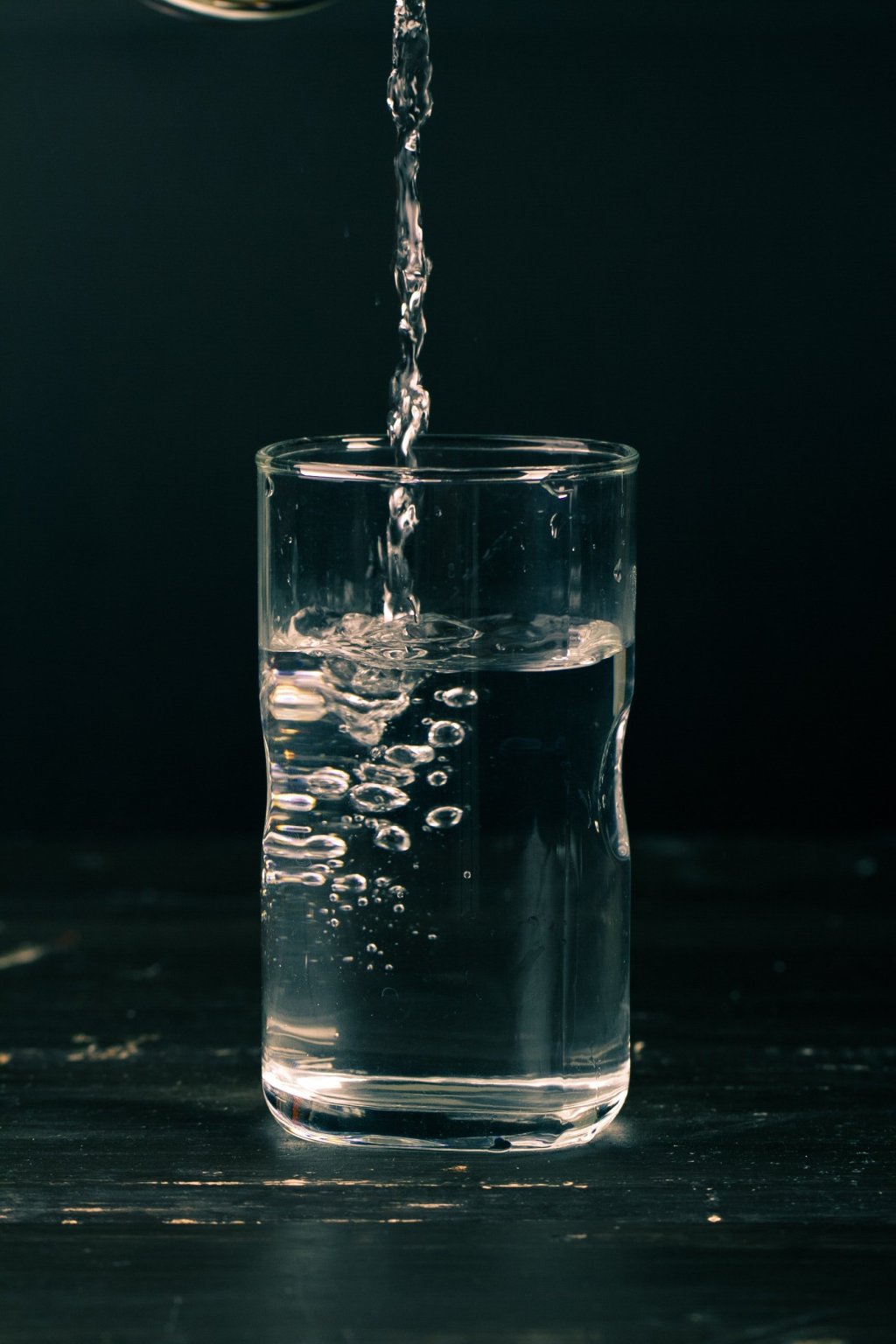
What are 7 reasons to drink water ?

Reflective Waters: A Beautiful Reflection of Nature
– hydration :
Water helps maintain the balance of bodily fluids, which is necessary for our body to function properly. Adequate hydration is essential for bodily functions like digestion, circulation, absorption, and transportation of nutrients.
Supports Kidney Functions:
Drinking enough water helps filter waste products from our bodies, which means our kidneys don’t have to work as hard. Water can also help prevent kidney stones by diluting the urine and preventing mineral buildup.
Helps with Digestion:
Drinking enough water can help prevent constipation and promote regular bowel movements, as it helps soften stools and move waste through the digestive tract.
Boosts Athletic Performance:
Adequate hydration can help improve physical performance, particularly during exercise. Water helps prevent fatigue, improves endurance, and prevents dehydration, which can lead to muscle fatigue.
Helps to Regulate Body Temperature:
Water helps to regulate body temperature, as it helps the body sweat and dissipate heat. Staying hydrated can prevent heat exhaustion and heat stroke, especially in hot and humid climates.
Promotes Skin Health:
Drinking enough water can help keep skin hydrated, healthy, and glowing. Adequate hydration can help to prevent wrinkles and dry skin.
Helps with Weight Loss:
Drinking water can help promote feelings of fullness, which can help you eat less and reduce calorie intake. Additionally, drinking water can help boost your metabolism and help your body burn more calories.
Remember, staying hydrated is essential for good health, and we should aim to drink at least eight cups of water per day or more, based on lifestyle and activity levels.
– drinking water
The recommended amount of water you should drink per day can vary depending on a variety of factors such as your age, sex, weight, height, activity level, and climate. However, a general recommendation is for adults to drink at least 8 cups (64 ounces or 1.9 liters) of water per day to maintain adequate hydration.
However, you may need to drink more water if you are physically active, live in a hot climate, or are pregnant or breastfeeding. Additionally, you should consider drinking more water if you have certain medical conditions such as kidney stones, urinary tract infections, or are recovering from illnesses that cause dehydration.
It’s also important to note that while water is an excellent source of hydration, you can also get fluids from other sources such as foods and other beverages. However, caffeinated drinks like coffee and tea can cause increased urinary output, and alcoholic drinks can have dehydrating effects, so it’s best to balance any fluid intake with an adequate amount of water.
– benefits of water
Drinking water regularly can help keep your body hydrated, improve digestion, boost your immune system, help maintain healthy skin, and aid in weight loss.
– water quality
Water quality refers to the chemical, physical, and biological characteristics of water that determine its suitability for specific uses. Good water quality is important for human health and the environment. Factors that affect water quality include pollution, natural contaminants, and the presence of microorganisms.
– water treatment
Water treatment is the process of removing impurities, contaminants, and pollutants from water to make it safe and suitable for human consumption. Water treatment methods can include a combination of physical, chemical, and biological processes, such as sedimentation, filtration, chlorination, and UV disinfection. The goal of water treatment is to provide safe drinking water that meets regulatory standards.
– water filtration
Water filtration is the process of removing impurities, contaminants, and particles from water using a physical barrier, chemical process, or biological process. Water filtration can be done through various methods such as carbon filters, reverse osmosis, and ultraviolet radiation. The purpose of water filtration is to provide safe, clean, and clear drinking water.
– water conservation
Water conservation is the practice of using water efficiently to reduce waste and preserve natural resources, particularly freshwater sources. It involves adopting simple measures such as fixing leaks, taking shorter showers, using water-efficient appliances, and avoiding wasteful practices. Water conservation helps to save money, reduce water pollution, and ensure that enough water is available for future generations.
a human can survive without food for around three to four weeks but can survive without water for only three to five days, depending on various factors such as temperature, physical activity, and overall health status. However, it is not recommended to go without food or water for prolonged periods as it can have adverse effects on the body and overall health.
#aminnleeofficial
Thank you for visiting our website! We hope you found it informative and valuable. Make sure to follow us on social media and stay tuned for our important posts on water conservation, water quality, and other related topics. By following us, you can learn about tips, news, and important updates to help you conserve water and protect the environment. Together, we can work towards a more sustainable future!
 kitchen gates