

Salmon and seafood “all ages”
Published by : “AMIN & LEE”
Salmon fish is a popular and nutritious type of seafood that is rich in omega-3 fatty acids, protein, and other important nutrients. Here are some key things to know about salmon:
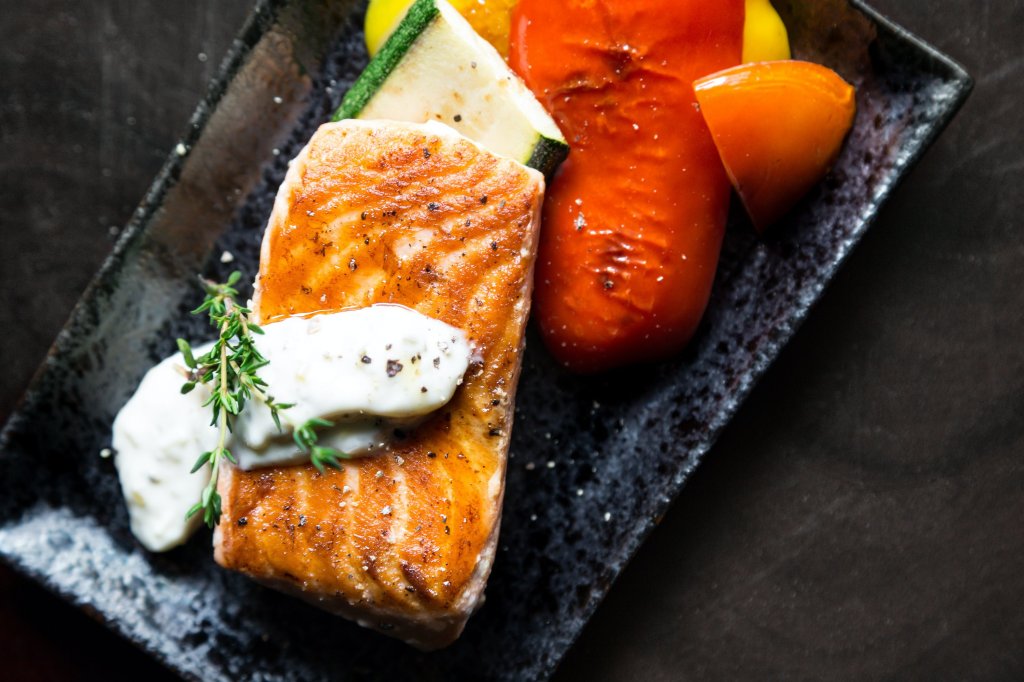
1. Salmon is loaded with omega-3 fatty acids which are essential for heart and brain health, and can help reduce inflammation in the body.
2. Salmon is a good source of high-quality protein, which is important for building and maintaining muscle mass.
3. Wild salmon, which is caught in the wild, is often considered more nutritious than farmed salmon.

4. Salmon can be baked, grilled, broiled, or smoked, making it a versatile ingredient in many recipes.
5. Salmon can be seasoned with a variety of herbs and spices, or paired with sweet or savory sauces for added flavor.
6. When purchasing salmon, look for fillets that are firm, brightly colored, and free from any signs of discoloration or mold.

7. The American Heart Association recommends consuming at least two servings of omega-3-rich fish like salmon per week for optimal health benefits.
8. Salmon can be high in mercury, so it should be consumed in moderation, especially for pregnant women and children.
9. Canned salmon is a convenient and affordable option for those who don’t have access to fresh salmon, and still provides many of the same nutritional benefits.
In addition to being a healthy and delicious food, salmon has a lower environmental impact than many other types of meat production, making it a sustainable and eco-friendly option.
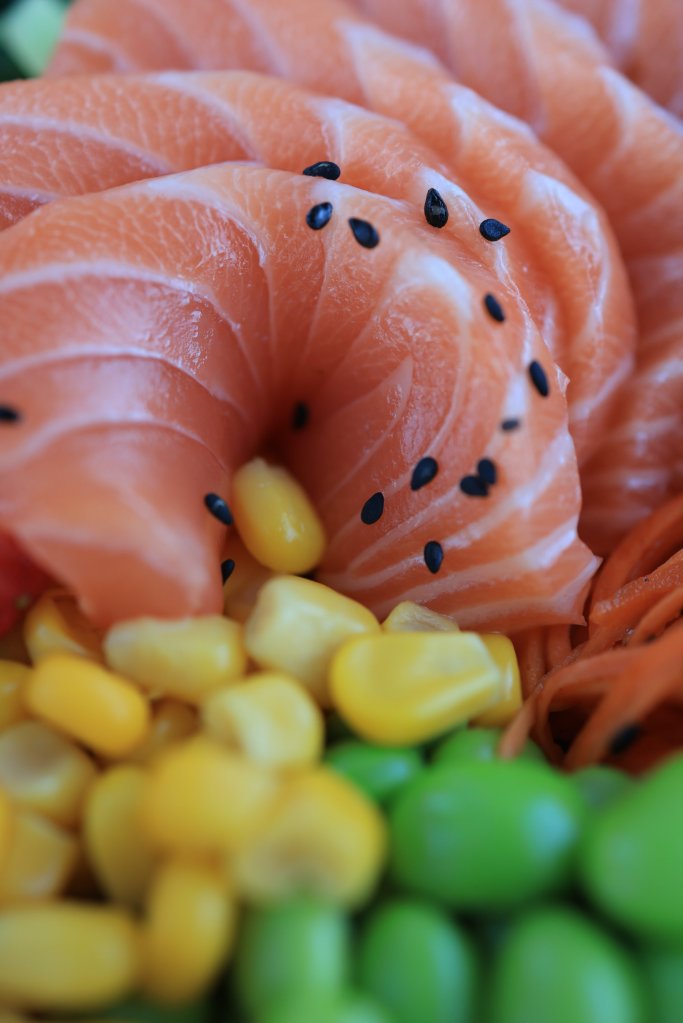
Peoples ask about raw Salmon fish :
Eating raw salmon can potentially be harmful to your health due to the presence of harmful bacteria and parasites, including salmonella and anisakis. Consuming such bacteria and parasites can cause symptoms like nausea, vomiting, diarrhea, and fever.
However, there are some traditional Japanese dishes like sushi and sashimi that are served with raw salmon and other types of raw fish. Nowadays, these dishes are usually prepared with fish that has been frozen, which can kill parasites and reduce the risk of foodborne illness.
If you are interested in trying raw salmon or other raw fish dishes, it is important to make sure that the fish is fresh, properly prepared, and sourced from a reputable supplier. Eating such dishes in moderation can have health benefits, such as providing important nutrients like omega-3 fatty acids. However, people with compromised immune systems, children, pregnant women, and the elderly should be careful and avoid consuming raw fish.
These are just some examples of ways to cook salmon; there are many other ways to prepare salmon that you can explore.

Salmon can be prepared in numerous ways, including:
- 1. Grilled salmon: The salmon is seasoned and then grilled until the skin is crispy, and the flesh is cooked through and tender.
- 2. Baked salmon: The salmon is coated with herbs, lemon, and olive oil, and then baked in the oven until it is flaky and cooked through.
- 3. Poached salmon: The salmon is cooked in simmering water with aromatics like lemon, dill, or bay leaves, until it is cooked through and tender.
- 4. Fried salmon: The salmon is dipped in flour or breadcrumbs and then pan-fried to create a crispy exterior, while keeping the fish moist and flavorful on the inside.
- 5. Smoked salmon: The salmon is cured with salt, sugar, and spices, then smoked over wood chips for a delicate, smoky flavor.
- 6. Sashimi-style salmon: The salmon is sliced into thin pieces and served raw typically complemented with wasabi and soy sauce for dipping.
- 7. Salmon Tartare: The salmon is cut into small pieces and mixed with ingredients herbs, scallions, and lemon juice. It is typically served as an appetizer or on top of a crostini or cracker.
- 8. Teriyaki salmon: The salmon is marinated in teriyaki sauce, and then grilled or broiled until it is slightly charred and caramelized.
- 9. Salmon salad: The salmon is cooked, flaked, and then added to a salad of mixed greens, vegetables, and a tangy dressing..
Salmon and its benefits for sex

There is some research to suggest that incorporating salmon into your diet can help support sexual health and function. Here are a few ways that consuming salmon may benefit sexual health:
1. Boosting libido: Salmon is a rich source of omega-3 fatty acids, which have been shown to support healthy blood flow throughout the body. Good blood flow is important for sexual function, and research has found that higher omega-3 intake is associated with increased libido.
2. Improved fertility: Salmon is also a great source of selenium, a mineral that is important for reproductive health. Studies have shown that increasing selenium intake can improve sperm quality and increase chances of conception.
3. Supporting prostate health: Salmon contains compounds called omega-3s, which have anti-inflammatory properties. This may help reduce inflammation in the prostate gland, which is important for maintaining healthy prostate function.
Overall, incorporating salmon into a balanced and nutritious diet may be beneficial for sexual health and function. However, it is important to note that sexual health is influenced by a wide range of factors, and salmon alone cannot guarantee optimal sexual health. It is always recommended to consult with a healthcare provider about any concerns regarding sexual health.
Thank you for taking the time to read and learn about the potential benefits of salmon. We hope that this information has been helpful and informative, and that it inspires you to incorporate salmon and other nutritious foods into your diet. Our team is dedicated to sharing valuable and educational content on a wide range of topics, with the goal of helping people lead healthier and happier lives. If you have any questions or feedback, please feel free to reach out. Thank you for following us and supporting our mission to promote wellness!
 kitchen gates