

It’s good to read about the oils !
Published by : ( AMIN & LEE )
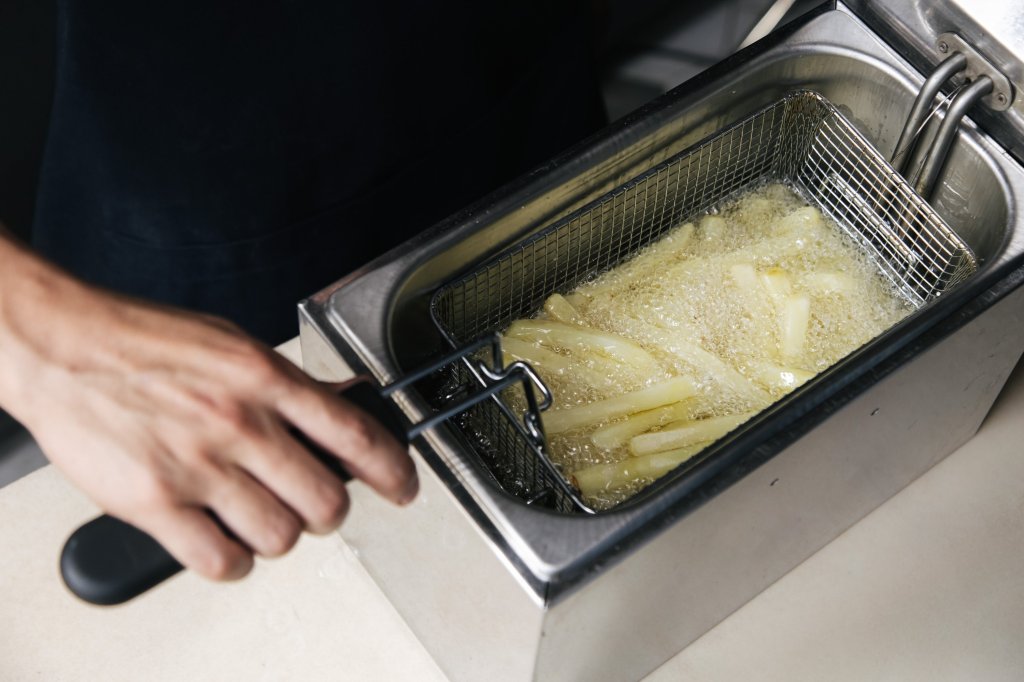
When it comes to cooking oils, understanding smoke points is crucial in ensuring the best results for your dishes. Smoke point refers to the temperature at which an oil begins to break down and produce smoke, which can lead to unpleasant flavors and harmful compounds. Different oils have different smoke points, and it’s important to choose the right oil for the right cooking method to achieve the best results.
The smoke point of an oil is affected by the type of oil, its level of refinement, and any impurities or contaminants present. For example, high-quality olive oil has a smoke point of around 375°F, while extra virgin olive oil, which is less processed, has a lower smoke point of around 320-375°F. Other oils, such as coconut oil, have a high smoke point of around 350°F, making them suitable for high-heat cooking methods like frying.
When choosing an oil for cooking, it’s important to consider the smoke point and the cooking method. For high-heat methods like stir-frying or deep-frying, it’s best to choose an oil with a high smoke point, such as peanut oil or canola oil. For low-heat methods like sautéing or baking, oils with lower smoke points, like olive oil or avocado oil, are more suitable.
It’s also important to consider the nutritional value of the oil. Some oils, such as coconut oil and avocado oil, are high in healthy fats and can provide nutritional benefits. Others, like vegetable oil and canola oil, are high in inflammatory omega-6 fats and should be consumed in moderation.
In summary, choosing the right oil for your dish involves understanding smoke points and the cooking method, as well as considering the nutritional value of the oil. With this knowledge, you can select the most appropriate oil for your cooking needs and create delicious, healthy meals every time.

Oils and it’s benefits
- Cooking oils are an essential part of our diet, and they offer a wide range of health benefits when consumed in moderation. Here are some common cooking oils and their benefits:
- 1. Olive Oil: Olive oil contains healthy monounsaturated fats, as well as anti-inflammatory compounds that can help reduce the risk of heart disease. Some studies also suggest that olive oil may help reduce the risk of certain types of cancer.
- 2. Coconut Oil: Coconut oil is rich in medium-chain triglycerides (MCTs), which are easily absorbed by the body and can provide a quick source of energy. It may also help improve cognitive function and support heart health.
- 3. Avocado Oil: Avocado oil contains healthy monounsaturated fats and antioxidants that can help reduce inflammation and lower the risk of heart disease. It may also improve skin health and help the body absorb nutrients from other foods.
- 4. Canola Oil: Canola oil is rich in healthy monounsaturated and polyunsaturated fats, as well as omega-3 fatty acids. It may help reduce inflammation and lower cholesterol levels, and has been shown to support heart health.
- 5. Sesame Oil: Sesame oil is rich in antioxidants, as well as vitamins and minerals that can support overall health. It may also help lower cholesterol levels and reduce inflammation.
- 6. Peanut Oil: Peanut oil contains healthy monounsaturated and polyunsaturated fats, as well as vitamin E and other antioxidants. It may help lower cholesterol levels and reduce the risk of heart disease.
- 7. Sunflower Oil: Sunflower oil is rich in healthy polyunsaturated fats, as well as vitamin E and other antioxidants. It may also help lower cholesterol levels and reduce inflammation.
When choosing a cooking oil, it’s important to consider the smoke point and type of cooking method, as well as the nutritional benefits. Incorporating a variety of healthy cooking oils into your diet can provide a range of benefits and support overall health. However, it’s important to consume oils in moderation, as they are high in calories and excessive consumption can lead to weight gain and other health issues.
Frying potatoes (or any other food item)
- multiple times in the same oil can lead to a buildup of some harmful compounds. When oil is heated, it undergoes chemical changes that can cause it to break down and produce free radicals and other potentially harmful compounds. These compounds can build up in the oil over time and can lead to the production of harmful substances when the oil is heated repeatedly.
- One of the most significant risks associated with frying food multiple times in the same oil is the formation of acrylamide, which is a potential carcinogen. Acrylamide is formed when certain types of foods, including potatoes, are heated to high temperatures, and can accumulate in the oil when the same oil is used multiple times. Consuming high levels of acrylamide has been linked to an increased risk of cancer in some animal studies.
- Additionally, repeatedly heating oil can also oxidize the oil, causing it to become rancid and produce off-flavors. This can affect the taste and quality of the fried food, as well as potentially causing digestive issues.
- To minimize the risk of harmful compounds, it’s recommended to change the oil after each use, or at least after every few uses. Additionally, using fresh oil at the right temperature can help ensure that the food is cooked properly and doesn’t become overly greasy or oily.

Frying potatoes is a beloved comfort food that’s enjoyed all over the world. Whether you prefer them golden and crispy or soft and tender, there’s no denying that there are few things as satisfying as a perfectly fried potato. However, many people struggle to get their fries just right – soggy, limp, or overly greasy potatoes can be a disappointing result. Here are some tips for achieving perfectly crispy and golden potato fries:
1. Choose the right potato: Not all potatoes are created equal when it comes to frying. Russet potatoes are a popular choice for frying as they have a high starch content and low water content, which makes them crisp up nicely. However, you can also use other boiling potatoes, or even sweet potatoes for a more unique flavor.
2. Cut potatoes evenly: The size and shape of your potato fries will impact how they cook. Keep a uniform size for your fries, no matter if you cut them into thin or thick fries.
3. Soak the potatoes: Soaking the potatoes in cold water for a few minutes can remove the starch and excess moisture from the potatoes, which helps them crisp up better when fried.
4. Choose the right oil: Different oils have different smoke points and can impact the flavor of the fries. Peanut oil or canola oil have a high smoke point and are good choices for frying, while olive oil or butter can work well for flavoring the potato fries.
5. Fry the potatoes twice: Frying potatoes twice – once at a temperature and then at a high temperature – can help achieve the perfect texture and crispy golden color.
Frying potatoes may take some practice, but these tips can help you perfect your frying technique and achieve perfectly crispy and golden potato fries every time.
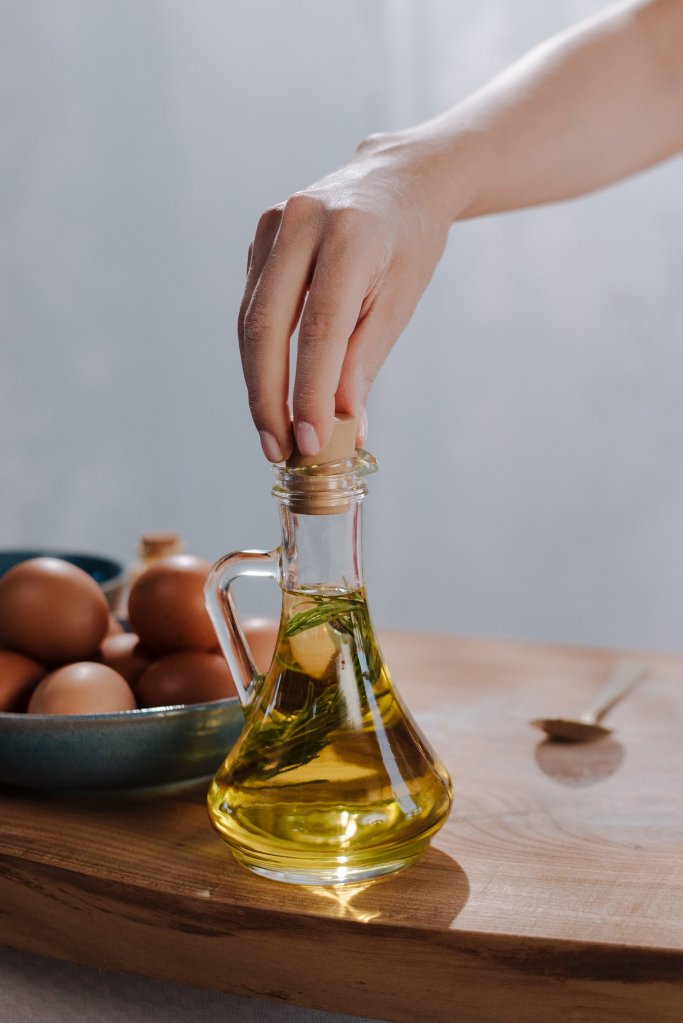
Olive oil is a popular cooking oil that is rich in monounsaturated fats, which can be healthy for the heart. It is produced by pressing the fruits of the olive tree. Here are some of the benefits of using olive oil:
1. Heart Health: Olive oil consumption has been linked to a reduced risk of heart disease due to its high levels of monounsaturated fats which may help lower bad cholesterol levels. Olive oil also contains anti-inflammatory compounds that can help improve heart health.
2. Brain Health: Some studies suggest that consuming olive oil may benefit cognitive function and help reduce the risk of dementia.
3. Anti-inflammatory properties: Olive oil contains polyphenols which act as antioxidants. It may help lower levels of inflammation in the body and reduce the risk of chronic disease.

4. Nutrient absorption: Some nutrients in foods are better absorbed when consumed with fat, and olive oil is an excellent source of healthy fats that may help with nutrient absorption.
5. Skin and Hair Health: The antioxidants and healthy fats in olive oil can help hydrate and nourish the skin and hair, reducing the signs of aging and promoting overall health.
When using olive oil for cooking, it is important to consider its smoke point, which is the temperature at which it starts to break down and produce harmful compounds. Extra-virgin olive oil, which is less refined, has a lower smoke point than refined olive oil. Therefore, it is best to use extra-virgin olive oil for low to medium heat cooking and use refined olive oil for high heat cooking.
Overall, consuming olive oil in moderation as part of a healthy diet can provide numerous health benefits.
Thank you for reading! For more cooking tips, recipes, and culinary inspiration, follow us and stay tuned for more delicious content.
 kitchen gates
One response to “Oils-benefits”
[…] Stir-Frying: Quick and delicious way to cook carrots while preserving their […]