
Nutritional Benefits and Cooking Tips
Published by : ( AMIN & LEE )
Chicken is an extremely popular and versatile protein that is widely consumed in many cultures and cuisines around the world. Its popularity is largely due to its affordability, ease of cooking, and nutritional value. Chicken is also a staple food in many regions of the world, making it a widely available and accessible source of protein.
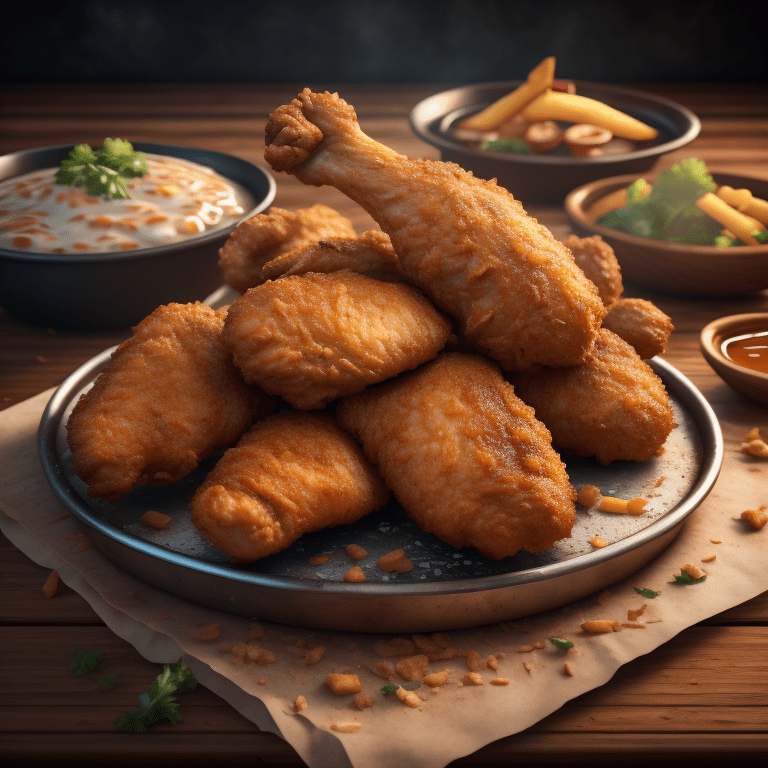
In Western culture, chicken is often featured in classic dishes such as chicken pot pie, roasted chicken, chicken soup, and fried chicken. In the United States, chicken wings have become a popular snack food, often served with various dipping sauces. In Mexican and Latin American cuisine, chicken is used to make dishes such as chicken fajitas, chicken enchiladas, and arroz con pollo. Indian cuisine features chicken tikka masala, butter chicken, and chicken biryani, while Thai cuisine offers dishes such as chicken satay, green curry chicken, and tom yum gai.
Beyond its popularity in cuisine, chicken is also widely used in different cultural practices. For example, the Chinese zodiac features the rooster, which has become an important symbol in Chinese culture, and is often used in celebrations. Additionally, in some cultures, chicken is consumed as part of religious practices and ceremonies.
In terms of versatility, chicken is often cooked in many different ways, which allows it to be used in a variety of dishes. It can be grilled, roasted, baked, fried, or sautéed. Different spices, seasonings, and sauces can also be used to enhance its flavor and create a unique taste.
Overall, the popularity and versatility of chicken in different cultures and cuisines is a reflection of its accessibility, affordability, and nutritional value. It’s a protein that spans different regions, beliefs, and traditions, and remains one of the most popular and widely consumed meats in the world.
Here are some of the nutritional benefits of chicken:
Chicken is a lean protein that is a great addition to a healthy and balanced diet. It is a good source of essential nutrients and can provide a variety of health benefits.

1. Protein: Chicken is a rich source of high-quality protein, which is essential for muscle growth and repair. Protein also promotes satiety and can help reduce cravings and overeating.
2. Low in fat: Chicken is low in fat, particularly saturated fat, which can help reduce the risk of heart disease and support healthy blood cholesterol levels.
3. Vitamins: Chicken is an excellent source of B vitamins, particularly B6 and B12, which are important for healthy brain function and nervous system development. It also contains vitamin D, which is essential for healthy bones and teeth.
4. Minerals: Chicken is a good source of minerals such as iron, zinc, and selenium. These minerals are essential for immunity, wound healing, and thyroid function.
5. Choline: Chicken is also a rich source of choline. Choline is important for brain development and liver function.
Eating chicken can be a good way to support a healthy and balanced diet. When preparing chicken, it’s important to choose lean cuts, remove the skin, and be mindful of portion sizes. Incorporating chicken into your meals can be a great way to boost your protein intake, increase your nutrient intake, and support a healthy lifestyle.
Nutritional Benefits of Chicken
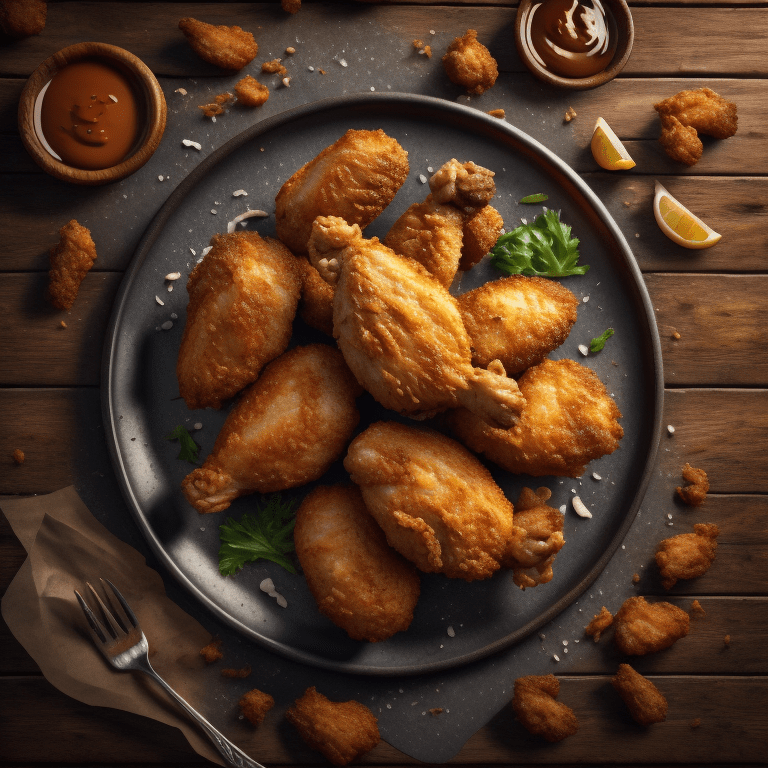
Chicken is a great source of high-quality protein, which is essential for muscle growth and repair. The protein content of chicken can vary depending on the cut and cooking method, but on average, a 100-gram serving of cooked chicken breast contains around 31 grams of protein, while a 100-gram serving of cooked chicken thigh contains around 26 grams of protein.
Protein is made up of amino acids, which are the building blocks of muscle tissue. When we engage in physical activity, our muscles undergo wear and tear and require amino acids from protein to repair and grow. Consuming protein-rich foods like chicken after exercise can help support muscle recovery and growth.
In addition to its high protein content, chicken is also a lean source of protein, which means it is low in fat and calories. This makes chicken a great option for those looking to build lean muscle mass without consuming excess calories, which can lead to fat gain.
It’s important to note that when it comes to muscle growth and repair, protein is just one part of the picture. Adequate rest, hydration, and a balanced diet that includes sufficient carbohydrates and healthy fats are also important for supporting muscle growth and repair.
In conclusion, chicken is an excellent source of high-quality protein that can support muscle growth and repair. Consuming chicken as part of a balanced diet can help ensure that your body is getting the nutrients it needs to function optimally and support your fitness goals.
Here are some of the key amino acids present in chicken and their functions:
Chicken contains a variety of essential and non-essential amino acids that are important for supporting brain health, mood regulation, and immune system function.

1. Tryptophan: Tryptophan is an essential amino acid that is a precursor to the neurotransmitter serotonin. Serotonin plays a key role in mood regulation and is important for mental health and well-being.
2. Tyrosine: Tyrosine is a non-essential amino acid that is important for the production of neurotransmitters like dopamine and norepinephrine. These neurotransmitters are involved in mood regulation, focus, attention, and memory.
3. Glutamine: Glutamine is a non-essential amino acid that plays a key role in immune system function. It is important for the production of white blood cells, which help fight off infections and diseases.
4. Arginine: Arginine is a semi-essential amino acid that is important for maintaining healthy blood vessels and improving blood flow. It is also involved in immune system function and wound healing.
5. Leucine: Leucine is an essential amino acid that is important for muscle growth and repair. It plays a key role in stimulating protein synthesis and preventing muscle breakdown.
6. Methionine: Methionine is an essential amino acid that is important for the production of several important compounds in the body. It is also involved in detoxification processes and can help protect the liver.
Overall, the amino acids present in chicken can support brain health and mood regulation by providing the building blocks for important neurotransmitters. They can also support immune system function and help protect against infections and diseases. Eating chicken as part of a balanced diet can help ensure that you are getting the necessary amino acids to support overall health and well-being.
Here are some of the key vitamins and minerals present in chicken and their functions:

Chicken is a great source of vitamins and minerals that are essential for overall health and wellness.
1. B Vitamins: Chicken is an excellent source of B vitamins, including niacin, pyridoxine, and pantothenic acid. These vitamins are essential for the metabolism of carbohydrates, fats, and proteins in the body, which helps to support energy levels. They also contribute to brain function, cardiovascular health, and the production of red blood cells.
2. Vitamin D: Chicken is a good source of vitamin D, which is important for bone health, immune system function, and overall wellness. Vitamin D helps the body absorb calcium and phosphorus, which are important for building and maintaining strong bones. It also plays a role in regulating mood and supporting cardiovascular health.
3. Selenium: Chicken is also a good source of selenium, which is important for immune system function, thyroid function, and antioxidant protection. Selenium helps to protect cells from damage caused by harmful free radicals and supports the production of enzymes that help the body fight off infections.
4. Phosphorus: Chicken is a rich source of phosphorus, which is important for bone health, energy production, and cellular function. Phosphorus helps to build strong bones and teeth, and is involved in energy metabolism, muscle contractions, and the storage and use of nutrients in the body.
Eating chicken as part of a balanced diet can help ensure that you are getting the necessary vitamins and minerals to support overall health and wellness, including bone health, energy levels, and immune system function. Remember to choose lean cuts of chicken and vary your protein sources to ensure a balanced intake of vitamins and minerals.
Chicken is a lean meat that can be beneficial for weight management and heart health. Here’s why:

1. Low fat and calories: Chicken is a low-fat and low-calorie meat, particularly if the skin is removed. Chicken is a lean meat that can be beneficial for weight management and heart health. Here’s why: makes it a great option for those looking to manage their weight and reduce calorie intake.
2. Protein: Chicken is a great source of high-quality protein, which is important for building and maintaining muscle mass. Protein also helps to promote satiety and reduce hunger, making it easier to adhere to a healthy eating plan.
3. Heart health: Chicken is low in saturated fat and high in unsaturated fat, which is beneficial for heart health. A diet that is high in saturated fat has been linked to an increased risk of heart disease, while a diet that is high in unsaturated fat has been shown to reduce the risk of heart disease.
4. Vitamins and minerals: Chicken is a good source of vitamins and minerals that are important for overall health and wellness, including B vitamins, vitamin D, selenium, and phosphorus. These vitamins and minerals support a healthy immune system, strong bones, and energy levels.
In conclusion, chicken is a lean meat that can be beneficial for weight management and heart health. Incorporating chicken into a balanced diet, along with plenty of fruits, vegetables, and whole grains, can help support overall health and wellness. Remember to choose lean cuts of chicken and vary your protein sources to ensure a balanced intake of nutrients.
Cooking Tips for Chicken
Here are some of the most common cuts of chicken and how they can be prepared:
There are several cuts of chicken that can be used in cooking, and each cut has its own unique characteristics.

1. Chicken breast: Chicken breast is a lean cut of chicken that is high in protein and low in fat. It can be prepared by grilling, baking, roasting, or sautéing. Chicken breast is a versatile cut that can be used in a variety of dishes, from salads and sandwiches to stir-fries and casseroles.
2. Chicken thighs: Chicken thighs are a slightly fattier cut of chicken, which gives them a richer flavor and juicier texture. They can be prepared by grilling, baking, roasting, or frying. Chicken thighs are a great choice for curries, stews, and other dishes where a little more fat is desirable.
3. Chicken wings: Chicken wings are a popular appetizer that can be prepared by grilling, baking, or frying. They can be coated in a variety of sauces, from barbecue to buffalo, and can be served as a snack or a main dish.
4. Chicken drumsticks: Chicken drumsticks are a flavorful and juicy cut of chicken that can be prepared by grilling, baking, or frying. They are a popular choice for picnics and barbecues and can be served with a variety of sides, from coleslaw to potato salad.
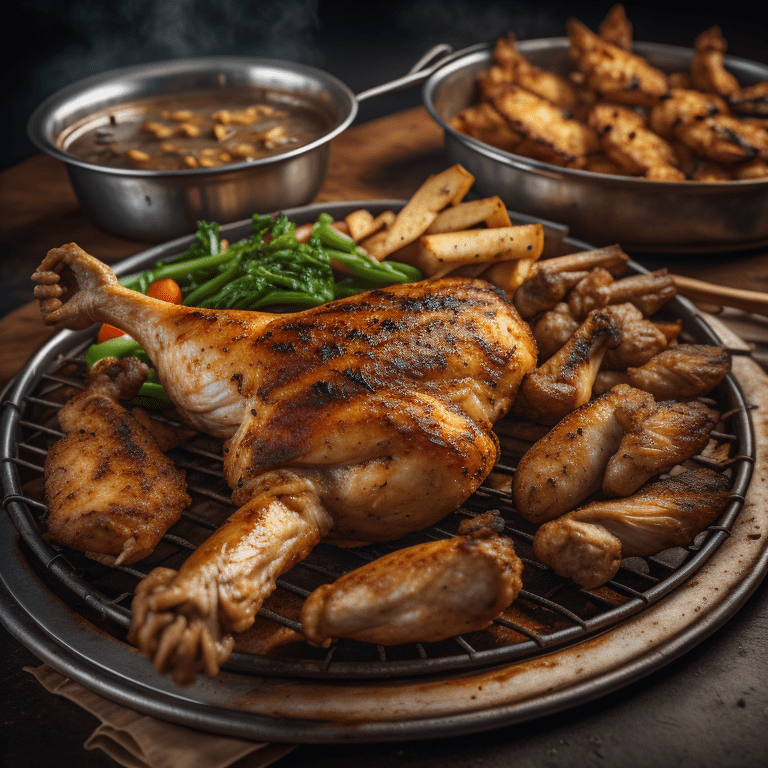
5. Whole chicken: A whole chicken can be prepared by roasting, grilling, or simmering. Roasting a whole chicken is a classic preparation that results in a tender and flavorful bird. A slow-cooked chicken soup is another delicious and nutritious way to use a whole chicken.
In summary, there are many cuts of chicken to choose from, each with their own unique qualities and ways to prepare them. Whether you prefer your chicken grilled, baked, roasted, or fried, there’s a cut and cooking method that will suit your tastes.
Here are some suggestions for seasoning or marinading chicken:
Seasoning or marinating chicken is a great way to add flavor and variety to your meals.
1. Lemon and herb: Combine lemon juice, olive oil, minced garlic, fresh herbs (like rosemary, thyme, and oregano), salt, and pepper to make a flavorful marinade for chicken. Let the chicken marinate for at least 30 minutes before cooking.
2. Teriyaki: Combine soy sauce, brown sugar, garlic, ginger, rice vinegar, sesame oil, and red pepper flakes to make a sweet and savory teriyaki marinade. Marinate the chicken for at least 2 hours before grilling, baking, or sautéing.
3. Cajun spice: Mix together paprika, garlic powder, onion powder, cayenne pepper, dried oregano, dried thyme, salt, and pepper to make a spicy cajun seasoning blend. Rub the seasoning onto the chicken and grill, bake, or sauté.
4. Barbecue: Combine ketchup, brown sugar, cider vinegar, Worcestershire sauce, mustard, garlic powder, onion powder, and smoked paprika to make a tangy and sweet barbecue sauce. Brush the sauce onto the chicken while grilling or baking.
5. Greek: Mix together olive oil, lemon juice, garlic, dried oregano, dried basil, salt, and pepper to make a zesty Greek marinade. Marinate the chicken for at least 2 hours before grilling or baking.
6. Indian: Mix together yogurt, ginger, garlic, cumin, coriander, turmeric, garam masala, lemon juice, and salt to make a flavorful Indian marinade. Marinate the chicken for at least 2 hours before grilling or baking.
In conclusion, seasoning or marinating chicken is a great way to add flavor and variety to your meals. Whether you prefer sweet and spicy or zesty and tangy, there’s a seasoning or marinade that will suit your tastes. Experiment with different flavors and cooking methods to find your favorite way to prepare chicken.
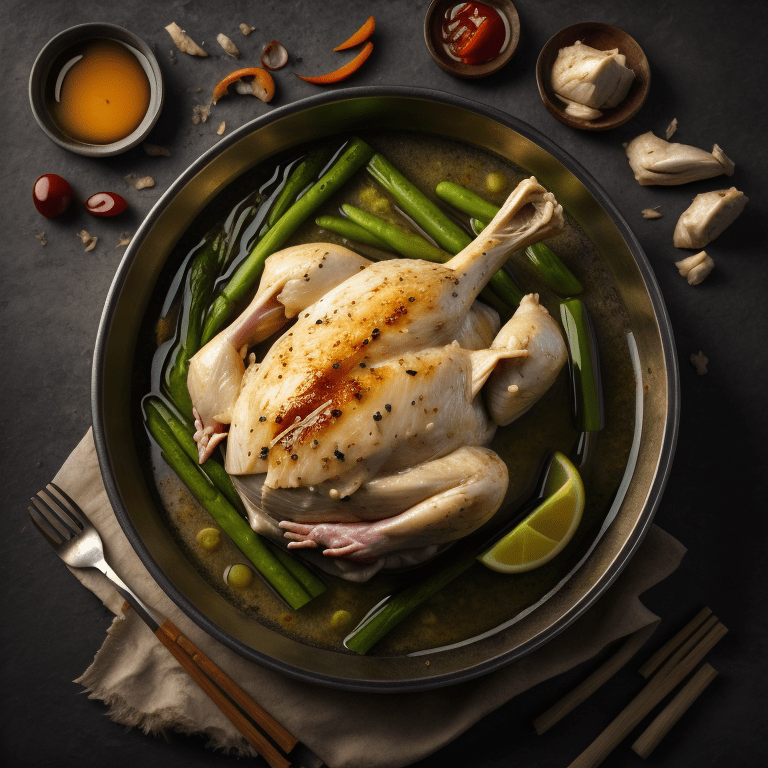
Proper handling and storage of chicken is important to prevent foodborne illness. Here are some tips to keep in mind:
1. Wash your hands: Always wash your hands with soap and warm water before and after handling chicken to prevent the spread of bacteria.
2. Use separate cutting boards: Use separate cutting boards for chicken and other foods to prevent cross-contamination. If possible, use color-coded cutting boards to help you remember which board is for chicken.
3. Keep it cold: Keep chicken refrigerated at 40°F or below until you’re ready to cook it. Never leave chicken out on the counter at room temperature for more than 2 hours.
4. Thaw safely: To thaw frozen chicken, place it in the refrigerator or use the defrost setting on your microwave. Never thaw chicken on the counter at room temperature, as this can promote bacterial growth.
5. Cook thoroughly: Cook chicken to an internal temperature of 165°F to kill any harmful bacteria that may be present. Use a food thermometer to ensure that the chicken is cooked to the proper temperature.
6. Store leftovers properly: Store leftover cooked chicken in an airtight container in the refrigerator for up to 4 days, or in the freezer for up to 4 months.
In conclusion, proper handling and storage of chicken is essential to prevent the spread of harmful bacteria and to ensure that the chicken is safe to eat. Remember to wash your hands, use separate cutting boards, keep chicken cold, thaw safely, cook thoroughly, and store leftovers properly. By following these tips, you can enjoy delicious and safe chicken dishes.
The nutritional benefits of chicken are many, making it a valuable addition to a healthy diet. It is a great source of high-quality protein and is low in fat and calories, making it a good choice for weight management. Chicken is also a good source of vitamins and minerals including B vitamins, vitamin D, selenium, and phosphorus, which are important for immune function, cardiovascular health, and bone health. When preparing chicken, choosing lean cuts and varying cooking methods (such as grilling, baking, or roasting) can make for a nutritious and delicious meal. Proper handling and storage of chicken is also important to prevent foodborne illness. By incorporating chicken into a balanced and healthy diet, you can enjoy the many nutritional benefits it has to offer.
One recipe suggestion to try is a simple yet tasty dish that features chicken breasts:
Baked Lemon Garlic
Chicken Breasts:
Ingredients:
– 4 boneless, skinless chicken breasts
– 2 cloves garlic, minced
– Juice of 1 lemon
– 2 tbsp olive oil
– 1 tsp salt
– 1/2 tsp black pepper
– 1 tsp dried oregano
Instructions:
1. Preheat oven to 400°F.
2. In a small bowl, whisk together minced garlic, lemon juice, olive oil, salt, pepper, and oregano.
3. Place chicken breasts in a baking dish.
4. Pour the lemon garlic mixture over the chicken breasts, making sure they are fully coated.
5. Bake in preheated oven for about 20-25 minutes, or until the internal temperature of the chicken reaches 165°F.
6. Let the chicken rest for a few minutes before serving.
This dish is easy to make, flavorful, and can be served with a variety of side dishes such as steamed vegetables or roasted sweet potatoes. Enjoy!
 kitchen gates