
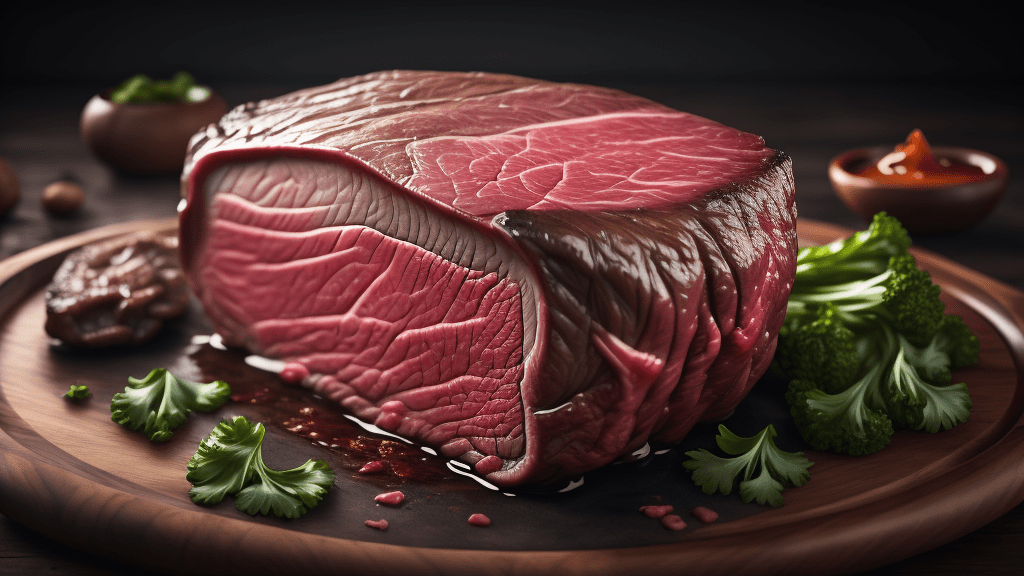
How to cook the beef including some recipes
Beef is the culinary name for meat from bovines, particularly domestic cattle. Beef is a popular type of red meat that is commonly consumed in many parts of the world, either fresh or preserved by various processes like smoking, curing, or drying. It is a rich source of various nutrients like proteins, essential amino acids, vitamins B12, B6, Zinc, Selenium and Iron. Beef is a versatile ingredient and can be prepared in many different ways, such as grilling, roasting, pan-frying, stir-frying, stewing, and smoking. Different cuts of beef have varying levels of marbling, which refers to the amount of intramuscular fat that improves the flavor and texture of the meat. The most commonly consumed beef cuts are chuck, sirloin, rib, and tenderloin.
ways to cook beef:
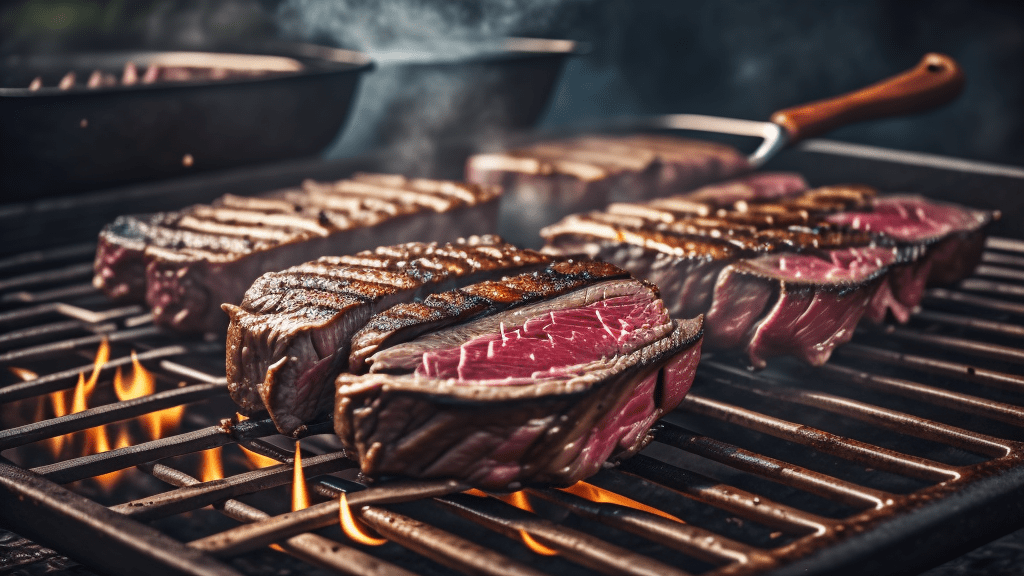
1. Grilling:
Grilling is a popular method for cooking beef, typically using an outdoor grill or indoor grill pan. It is ideal for cooking steak, burgers, and other larger cuts of beef.
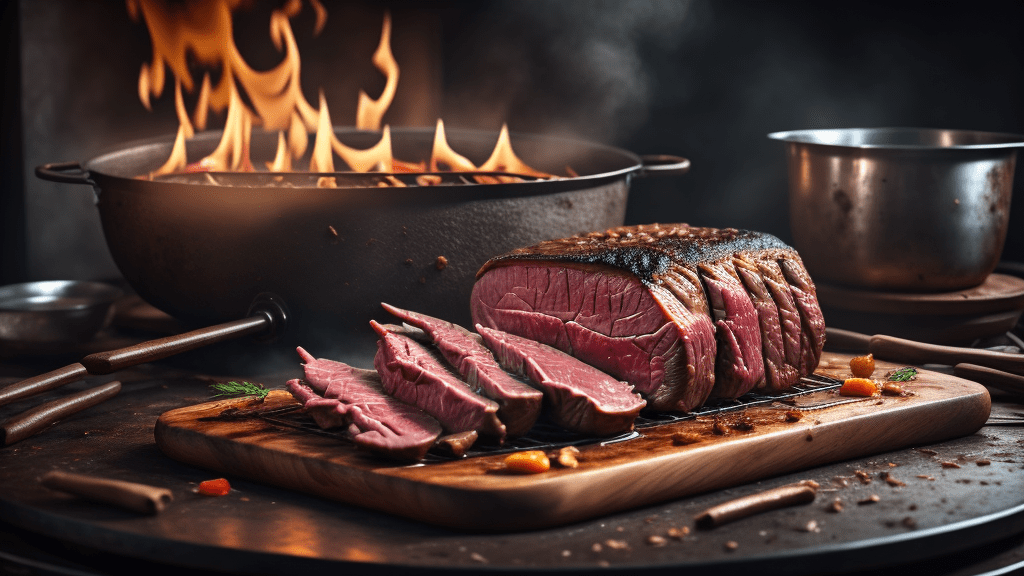
2. Roasting:
Roasting involves cooking beef in the oven at a high temperature, which helps to brown and caramelize the exterior, while keeping the interior moist and juicy. It is commonly used for larger cuts like roasts and prime rib.
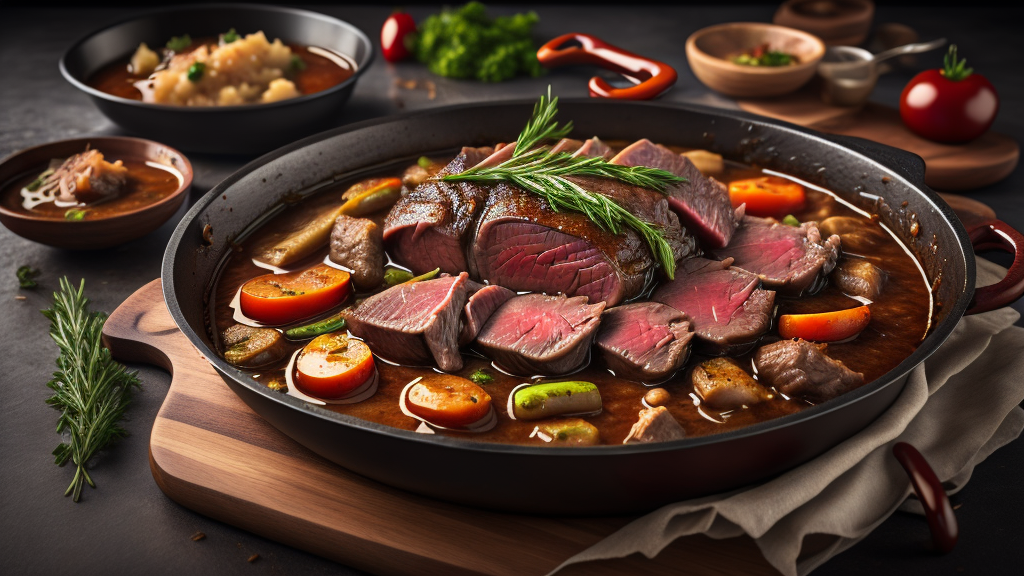
3. Braising:
Braising is a slow-cooking method that involves first searing the meat and then cooking it in a covered pot, along with liquid, vegetables, and aromatics. This method is ideal for tougher cuts of beef like chuck or brisket and creates tender, flavorful meat.
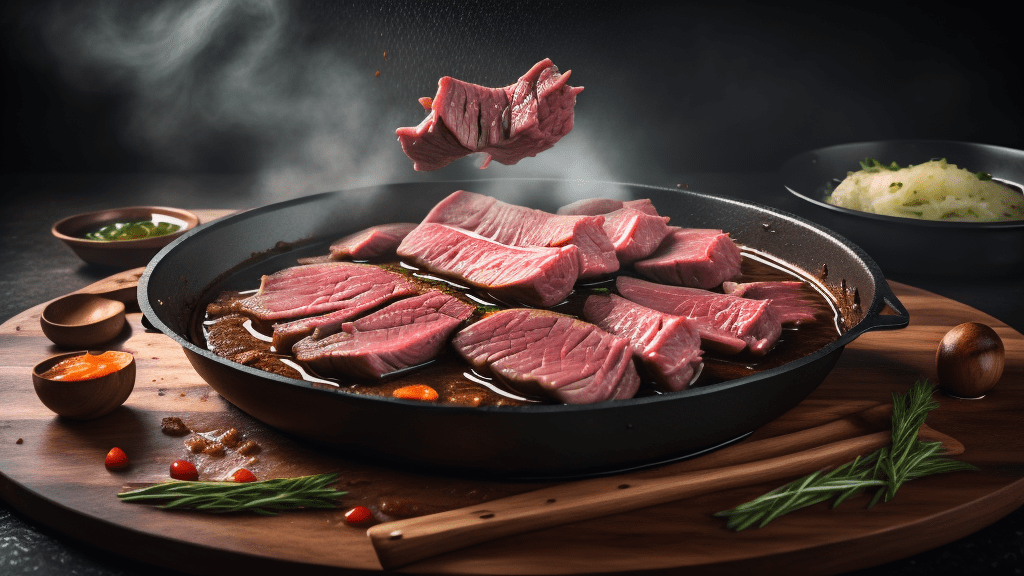
4. Pan-Frying:
Pan-frying involves cooking beef in a skillet with a small amount of oil over high heat. This method is good for cuts of beef like ribeye, sirloin and tenderloin.
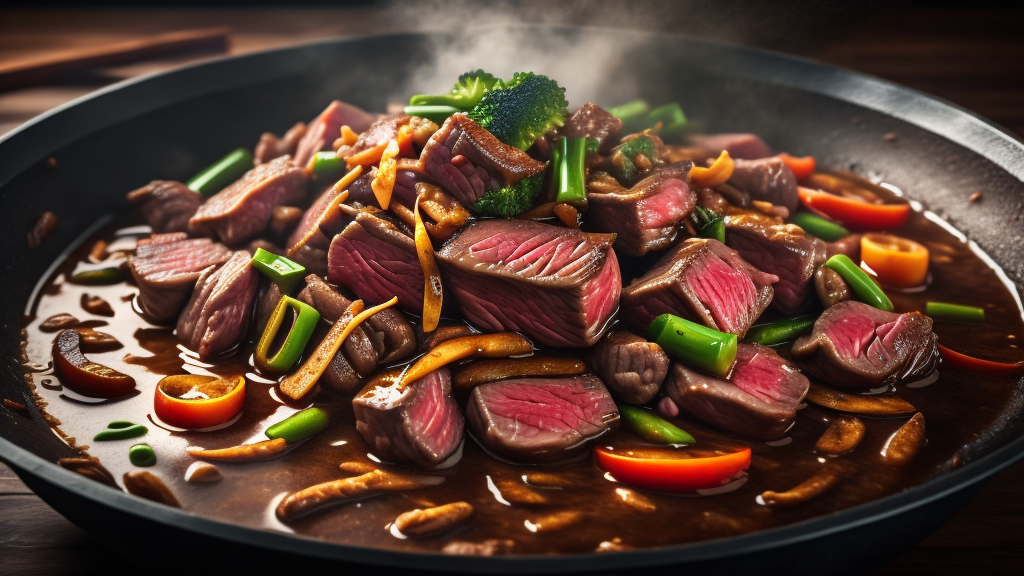
5. Stir-Frying:
Stir-frying is a quick and easy cooking method, which involves cutting beef into small pieces and cooking them in a wok or skillet with vegetables and sauces.
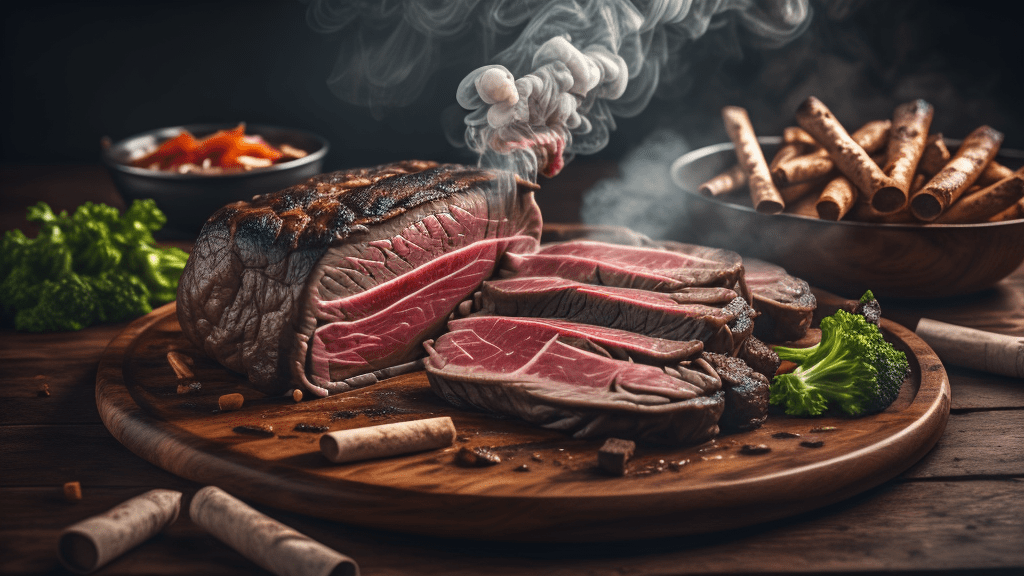
6. Smoking: Smoking involves cooking beef slowly over low heat using wood smoke to infuse the meat with flavor. This method is often used for beef ribs or brisket.
7. Sous Vide:
This is a low-temperature method that involves vacuum-sealing the beef and cooking it in a water bath, which helps to retain moisture and flavor.
Few recipes that illustrate different cooking methods for beef:
1. Grilled Steak
Ingredients:
– 2-3 steaks
– Salt and pepper
– Olive oil
Instructions:
1. Preheat grill to high heat.
2. Season your steaks generously with salt and pepper on both sides.
3. Brush the steaks with a bit of olive oil to prevent sticking.
4. Grill the steaks for 3-5 minutes on each side, depending on thickness and desired doneness.
5. Remove the steaks from the grill and let them rest for 5 minutes before slicing and serving.
2. Roast Beef
Ingredients:
– 3 pounds beef roast
– Salt and pepper
– Garlic powder
– Onion powder
– Olive oil
Instructions:
1. Preheat oven to 350°F.
2. Rub the beef roast generously with salt, pepper, garlic powder, and onion powder.
3. Heat olive oil in a heavy Dutch oven over high heat.
4. Sear the roast on all sides, approximately 2-3 minutes per side, until browned.
5. Place the roast and any remaining ingredients in the Dutch oven and cover with a lid.
6. Roast in the oven for 20 minutes per pound or until the internal temperature reaches 145°F for medium-rare.
7. Let the roast rest for 15 minutes before slicing.
3. Beef Stew
Ingredients:
– 2 pounds beef chuck, cubed
– Salt and pepper
– Flour
– Olive oil
– Onion, chopped
– Carrots, chopped
– Celery, chopped
– Garlic, minced
– Beef broth
– Worcestershire sauce
– Bay leaves
– Potatoes, diced
Instructions:
1. Preheat oven to 325°F.
2. Season beef with salt and pepper, then coat with flour.
3. Heat olive oil over high heat in a heavy Dutch oven.
4. Brown the beef in batches, then remove from the Dutch oven and set aside.
5. Add onion, carrots, and celery to the Dutch oven and cook for 3-5 minutes until softened.
6. Add garlic and cook for another 1-2 minutes.
7. Add the beef broth, Worcestershire sauce, bay leaves, and beef to the pot.
8. Cover the pot and bake in the oven for 3-4 hours.
9. Add diced potatoes to the pot and bake for another hour until the potatoes are soft.
10. Remove the bay leaves and serve hot.
4. Beef and Broccoli Stir Fry
Ingredients:
– 1 pound beef sirloin, sliced thinly across the grain
– Salt and pepper
– Cornstarch
– Soy sauce
– Brown sugar
– Garlic, minced
– Ginger, minced
– Olive oil
– Broccoli florets
Instructions:
1. Season beef with salt and pepper, then coat with cornstarch.
2. In a small bowl, mix soy sauce, brown sugar, garlic, and ginger to make a sauce.
3. Heat olive oil in a wok or large skillet over high heat.
4. Stir-fry beef for 2-3 minutes until browned.
5. Add broccoli florets and continue stir-frying for 2-3 minutes until tender.
6. Add the sauce mixture to the wok and stir to coat the beef and broccoli.
7. Cook for another 1-2 minutes until the sauce thickens.
8. Remove from heat and serve hot with rice.
Some tips on buying, storing and cooking beef:
1. Buying beef: When shopping for beef, look for bright, vibrant red color with a small amount of marbling, which indicates flavor and tenderness. Avoid any beef with a slimy or discolored appearance, as it may indicate spoilage.
2. Storing beef: Store beef in the refrigerator at a temperature between 35°F and 40°F, for up to 3-5 days. If you need to store beef for longer, you can freeze it in an airtight container for up to 6 months.
3. Preparing beef: Before cooking, remove beef from the refrigerator and let it sit at room temperature for 20-30 minutes, which helps it cook more evenly. Trim away any excess fat or connective tissue, and season the beef liberally with salt and pepper to enhance flavor.
4. Cooking beef: Different cuts of beef require different cooking techniques and temperatures. Use a meat thermometer to ensure that beef is cooked to the right temperature. A meat thermometer inserted at the thickest part of the meat should read 145°F for medium-rare, 160°F for medium, and 170°F for well-done.
5. Resting beef: After cooking beef, let it rest for 5-10 minutes before slicing or serving. This allows the juices to redistribute throughout the meat, keeping it moist and tender.
6. Food Safety: It is important to follow food safety practices when handling raw beef, including washing hands, utensils, and surfaces that have come in contact with the meat. Cook beef to the proper temperature, and avoid cross-contamination by keeping raw meat separate from other foods.
By following these tips, you can safely and deliciously enjoy cooking and consuming beef.
 kitchen gates