
First, please share with us any questions you would like to be answered here:


What are the healthiest foods to eat?
When it comes to nourishing our bodies, it’s essential to prioritize foods that provide optimal nutrition. A balanced diet should include a variety of nutrient-dense options. Leafy green vegetables like kale and spinach are packed with vitamins and minerals, while berries offer a rich source of antioxidants. Whole grains such as quinoa and brown rice provide fiber and essential nutrients, and lean proteins like chicken, fish, and tofu supply amino acids for muscle repair and growth. Additionally, incorporating healthy fats like avocados, nuts, and olive oil can support heart health. Don’t forget to stay hydrated and include plenty of water, along with hydrating fruits and vegetables. Remember, the key is to enjoy a diverse and colorful plate to fuel our bodies with the healthiest foods.
How many calories are in the eggs?
Eggs are a popular food choice and can vary slightly in calorie content depending on the size. On average, a large egg contains approximately 72 calories. However, it’s important to note that the calorie count may change if the egg is cooked with added fats (such as butter or oil). If you are looking for a more precise measurement, it may be helpful to refer to specific nutrition labels or consult a reliable calorie tracking resource.
What is the famous christmas popular food recipes?
- 1. Roast turkey or ham: In many Western countries, roast turkey or ham is a centerpiece of the Christmas feast.
- 2. Stuffing: A flavorful mixture of bread crumbs, herbs, vegetables, and sometimes meat, which is traditionally stuffed inside the bird or cooked separately.
- 3. Mashed potatoes: Creamy and buttery mashed potatoes often accompany the main course.
- 4. Gravy: A rich sauce made from the drippings of roasted meat, often served over the turkey or ham.
- 5. Cranberry sauce: Sweet and tart cranberry sauce complements the savory flavors of the main course.
- 6. Roasted vegetables: Popular choices include roasted carrots, parsnips, Brussel sprouts, and potatoes.
- 7. Christmas pudding: A traditional British dessert made with a mixture of dried fruits, spices, and suet, often moistened with brandy or rum and flambéed when served.
- 8. Gingerbread cookies: Festive cookies shaped like gingerbread men, stars, or other holiday-themed figures.
- 9. Eggnog: A creamy, spiced, and sweetened beverage made with eggs, milk, sugar, and often spiked with a splash of alcohol like rum or bourbon.
- 10. Fruitcake: A dense cake laden with dried fruits, nuts, and spices, often soaked in alcohol for several weeks before serving.

What are some easy recipes for beginners?
- 1. Spaghetti Aglio e Olio: Cook spaghetti according to package instructions. In a pan, heat olive oil and sauté minced garlic until golden. Add red pepper flakes, salt, and pepper. Toss the cooked pasta in the garlic oil, sprinkle with grated Parmesan cheese, and garnish with chopped parsley.
- 2. Caprese Salad: Slice fresh tomatoes and mozzarella cheese. Arrange them on a plate, alternating tomato and cheese slices. Drizzle with extra virgin olive oil, sprinkle with salt, pepper, and fresh basil leaves.
- 3. Baked Chicken Breasts: Preheat the oven to 400°F (200°C). Rub boneless, skinless chicken breasts with olive oil, salt, pepper, and your favorite spices. Place them on a baking sheet and bake for 20-25 minutes, or until thoroughly cooked.
- 4. Vegetable Stir-Fry: Heat oil in a wok or skillet. Add your choice of vegetables (such as bell peppers, broccoli, carrots, and snap peas) and stir-fry for a few minutes until crisp-tender. Season with soy sauce, garlic, and ginger, and toss to combine.
- 5. Omlette : Beat eggs in a bowl with salt and pepper. Heat a non-stick pan over medium heat and add a pat of butter. Pour the beaten eggs into the pan and tilt to spread evenly. Cook until the edges are set, then add your choice of fillings (such as cheese, diced vegetables, or cooked meats) to one side. Fold the omelette in half and cook until the cheese melts.
Hello can we have your subscribe?
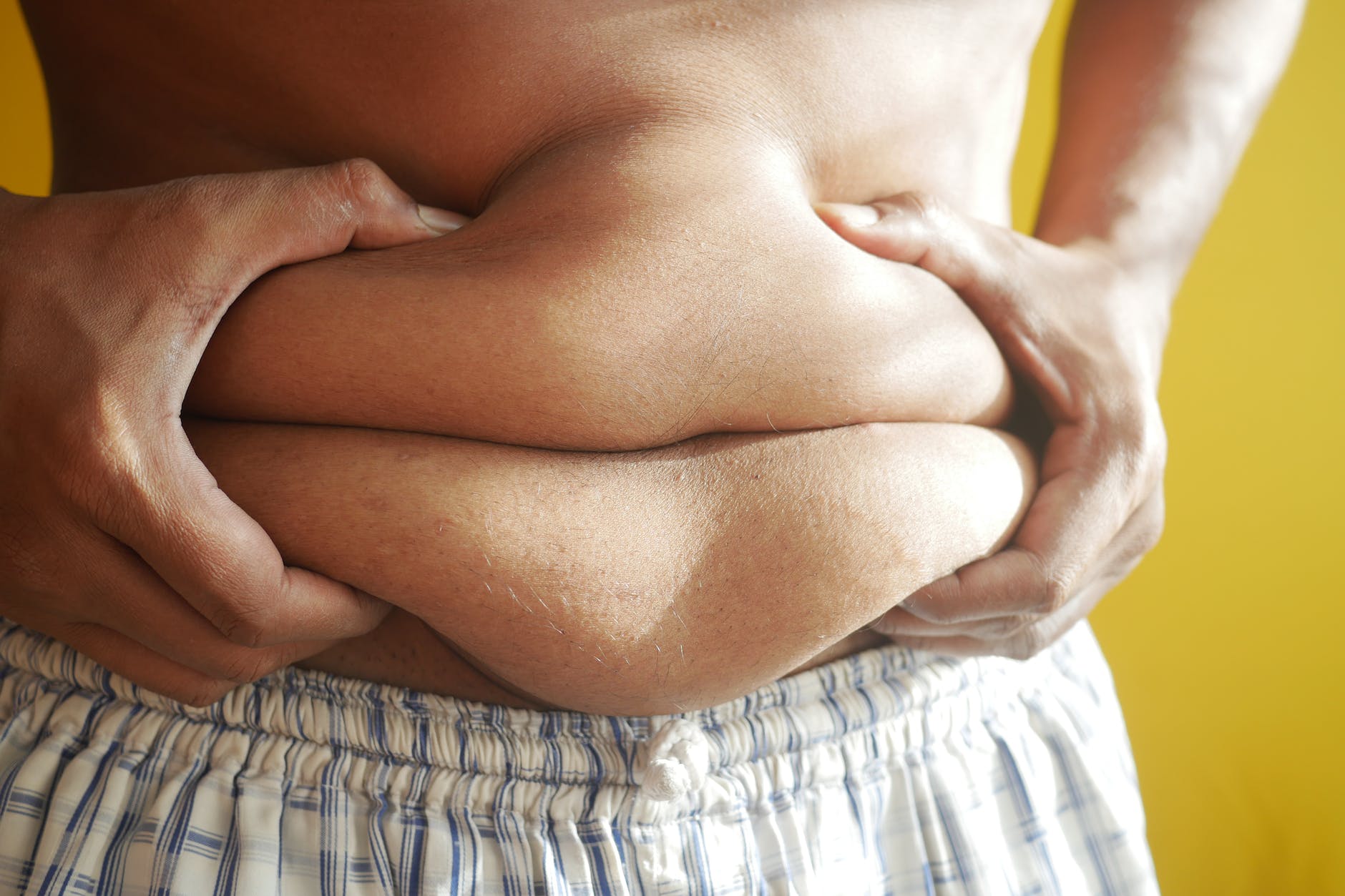
What is the best diet for weight loss?
- 1. Mediterranean Diet: This diet focuses on whole, unprocessed foods such as fruits, vegetables, legumes, whole grains, lean proteins (fish, poultry), and healthy fats (olive oil, nuts, avocados). It encourages moderate consumption of dairy products and limited intake of red meat and sweets.
- 2. Low-Carb or Keto Diet: These diets restrict carbohydrate intake and emphasize foods like meats, fish, eggs, vegetables, nuts, and healthy fats like olive oil and coconut oil. The ketogenic diet is an extreme form of low-carb diet that encourages very low carbohydrate intake and high fat consumption to induce a state of ketosis.
- 3. Paleo Diet: This diet mimics the eating patterns of early humans and focuses on whole, unprocessed foods such as lean meats, fish, eggs, vegetables, fruits, nuts, and seeds. It avoids grains, legumes, dairy, processed foods, and added sugars.
- 4. Intermittent Fasting: Rather than focusing on specific food choices, intermittent fasting is an eating pattern that cycles between periods of fasting and eating. Popular methods include the 16/8 method (fasting for 16 hours and eating within an 8-hour window) and alternate-day fasting.
- 5. Plant-Based (Vegetarian or Vegan) Diet: These diets center around plant-based foods such as fruits, vegetables, legumes, whole grains, and plant-based proteins like tofu and tempeh. They can be effective for weight loss due to their high fiber content and potential reduction in calorie intake.It’s important to remember that sustainable weight loss is often achieved through a combination of a healthy, balanced diet and regular physical activity.

What are the benefits of eating fruits and vegetables?
- 1. Nutrient-rich: Fruits and vegetables are packed with essential vitamins, minerals, and antioxidants. They provide nutrients like vitamin C, vitamin A, potassium, folate, and fiber, which are vital for various bodily functions and support optimal health.
- 2. Disease prevention: A diet rich in fruits and vegetables has been associated with a lower risk of chronic diseases such as heart disease, certain cancers, and obesity. The antioxidants and phytochemicals found in fruits and vegetables help protect against cellular damage and inflammation, reducing the risk of developing these conditions.
- 3. Weight management: Fruits and vegetables are generally low in calories and high in fiber, which aids in weight management. They help you feel full and satisfied while providing essential nutrients, making it easier to maintain a healthy weight.
- 4. Digestive health: The high fiber content in fruits and vegetables supports a healthy digestive system. Fiber helps prevent constipation, promotes regular bowel movements, and supports a diverse and healthy gut microbiome.
- 5. Hydration and healthy skin: Many fruits and vegetables have high water content, contributing to hydration and promoting healthy skin. They also contain various vitamins and antioxidants that support skin health and give it a radiant appearance.
- 6. Eye health: Fruits and vegetables rich in vitamin C, vitamin A, and antioxidants like lutein and zeaxanthin can help protect against age-related macular degeneration and support overall eye health.
- 7. Boosted immune function: The vitamins, minerals, and antioxidants found in fruits and vegetables play a crucial role in supporting a strong immune system.
What foods are high in protein?
- 1. Lean meats: Options like chicken breast, turkey breast, lean cuts of beef or pork, and fish (such as salmon or tuna) are packed with protein.
- 2. Eggs: A whole egg contains around 6 grams of protein, with the majority found in the egg white.
- 3. Dairy products: Milk, yogurt, and cheese are high in protein. Greek yogurt, in particular, is known for its high protein content.
- 4. Legumes: Lentils, chickpeas, black beans, and other legumes are not only rich in protein but also a good source of fiber.
- 5. Nuts and seeds: Almonds, peanuts, cashews, chia seeds, and flaxseeds are examples of nuts and seeds that offer protein and healthy fats.
- Tempeh: These plant-based protein sources are popular among vegetarians and vegans. Both are made from soybeans.
- 7. Quinoa: This pseudo-grain is considered a complete protein, as it contains all essential amino acids. It’s also high in fiber and other nutrients.
- 8. Seitan: Commonly used as a meat substitute, seitan is made from wheat gluten and provides a significant protein content.
- 9. Greek yogurt: Known for its thick and creamy texture, Greek yogurt is an excellent source of protein, often containing more protein than regular yogurt.
- 10. Protein-rich vegetables: Vegetables like broccoli, spinach, peas, and Brussels sprouts offer a fair amount of protein alongside other beneficial nutrients.
What are some popular food trends right now
- 1. Plant-based and alternative proteins: The demand for plant-based diets and alternative protein sources has been on the rise. Many people are embracing plant-based meat substitutes like Beyond Meat and Impossible Burger, as well as exploring options such as tofu, tempeh, seitan, and legume-based protein products.
- 2. Gluten-free and grain-free: More individuals are opting for gluten-free and grain-free diets, whether due to health reasons or personal preferences. This has led to an increase in gluten-free products and alternative flours like almond flour, coconut flour, and cassava flour.
- 3. Sustainable and eco-friendly eating: There is a growing emphasis on sustainable and eco-friendly food choices. This includes consuming locally sourced and seasonal ingredients, reducing food waste, supporting organic farming, and making environmentally conscious choices in packaging and production methods.
- 4. Functional foods and superfoods: Functional foods are those that offer additional health benefits beyond basic nutrition. The use of superfoods like turmeric, matcha, spirulina, chia seeds, and acai berries has become increasingly popular due to their nutrient-dense qualities and potential health benefits.
- 5. Fermented and probiotic-rich foods: Fermented foods such as kimchi, sauerkraut, kombucha, kefir, and miso have gained popularity due to their probiotic content, which supports gut health and digestion.
- 6. Customizable and DIY food options: More people are experimenting with DIY approaches to their food, such as creating personalized smoothie bowls, assembling customized salads, or making their own nut butters, granola bars, and energy balls.
- 7. Ethnically diverse cuisines: The exploration and appreciation of diverse cuisines, including Middle Eastern, Asian (such as Korean, Thai, and Vietnamese), Mexican, and African, have become increasingly popular as people seek exciting flavors and new dining experiences.

What are best restaurants in the world?
- 1. The World’s 50 Best Restaurants: This annual list is compiled by a panel of over 1,000 international chefs, food writers, and restaurateurs. It offers a collection of exceptional restaurants worldwide.
- 2. Michelin Guide: Michelin is a highly regarded guide that awards culinary establishments with Michelin stars based on anonymous inspections. Restaurants can receive up to three stars, signifying outstanding cuisine and service.
- 3. TripAdvisor’s Travelers’ Choice Restaurants: Based on customer reviews and ratings, TripAdvisor compiles a list of top restaurants globally, providing a more democratic perspective.
- 4. James Beard Foundation Awards: The James Beard Foundation recognizes exceptional chefs, restaurants, and culinary professionals in the United States. Their annual awards highlight outstanding achievements within the American culinary scene.
- data of july/2023 annually renewed
How to meal prep for the week?
- 1. Plan your meals: Start by deciding on the meals you want to prepare for the week. Consider your dietary preferences, nutritional needs, and variety. Choose recipes that have ingredients that can be prepped ahead of time and can withstand being stored for a few days.
- 2. Make a grocery list: Once you’ve decided on your meals, make a detailed grocery list of all the ingredients you’ll need. This will ensure you have everything necessary for your meal prep and avoid last-minute trips to the store.
- 3. Grocery shop: Purchase all the ingredients from your grocery list. Try to select fresh, seasonal produce, and consider purchasing bulk items or items with longer shelf lives for more extended meal prepping.
- 4. Set aside time: Set aside a dedicated block of time for meal prepping. Many people find it helpful to do this on a day off or on the weekend when they have more free time. Plan for a few hours, depending on the complexity and number of meals you’re preparing.
- 5. Cook in batches: Prepare multiple servings of your meals at once. Cook grains, proteins (like chicken, tofu, or beans), and roast or steam vegetables. Divide them into individual meal-sized portions or containers for easy access throughout the week.
- 6. Store appropriately: Use airtight containers or meal prep containers to store your prepped meals. Label them with the meal and date to keep track. For perishable items like raw greens or delicate herbs, store them separately and add them to the meal just before eating.
- 7. Refrigerate or freeze: Store your prepped meals in the refrigerator for up to four to five days. If you’ve made more than you can consume within that time frame, freeze the extras to enjoy later. Be sure to properly cool cooked food before refrigerating or freezing.
- 8. Reheat and assemble: When ready to eat, reheat your prepped meals either in the microwave or on the stovetop. If needed, add any finishing touches like garnishes, dressings, or sauces just before serving.

What are the healthiest foods to include in your diet?
- 1. Fruits and vegetables: Rich in vitamins, minerals, antioxidants, and fiber, fruits and vegetables should form a significant part of a healthy diet. Aim for a colorful variety, including leafy greens, berries, citrus fruits, cruciferous vegetables, and sweet potatoes.
- 2. Whole grains: Foods like brown rice, quinoa, oats, whole wheat bread, and whole-grain pasta provide complex carbohydrates, fiber, and essential nutrients. Look for minimally processed options to maximize their nutritional value.
- 3. Lean proteins: Incorporate lean sources of protein, such as poultry, fish, eggs or egg whites, tofu, tempeh, legumes (like beans and lentils), and low-fat dairy products. These foods provide amino acids necessary for building and repairing tissues.
- 4. Healthy fats: Include sources of healthy fats like avocados, nuts and seeds (such as almonds, walnuts, chia seeds, and flaxseeds), olive oil, and fatty fish (such as salmon, sardines, and mackerel). These fats support brain health, heart health, and nutrient absorption.
- 5. Dairy or dairy alternatives: Choose low-fat or non-fat options for dairy products like milk, yogurt, and cheese. Alternatively, opt for fortified plant-based alternatives like almond milk, soy milk, or coconut yogurt fortified with calcium and Vitamin D.
- 6. Legumes and pulses: Foods like lentils, chickpeas, black beans, and kidney beans are excellent sources of plant-based protein, fiber, and various vitamins and minerals. They are also low in fat and cholesterol.
- 7. Nuts and seeds: Healthy in moderation, nuts and seeds can provide a satisfying crunch while offering healthy fats, fiber, protein, and various vitamins and minerals. Just watch portion sizes due to their calorie density.
- 8. Herbs and spices: Herbs and spices like turmeric, garlic, ginger, cinnamon, and oregano not only enhance the flavor of your dishes but may also provide potential health benefits due to their antioxidant and anti-inflammatory properties.
Ever wondered how many calories are in your favorite food?
- 1. Weight management: Understanding the calorie content of the foods you consume can be helpful when it comes to managing your weight. By becoming aware of the energy intake of different foods, you can make more informed choices about portion sizes and balance your overall calorie intake with your activity level.
- 2. Health considerations: Calorie information can be useful for individuals who have specific dietary needs or health conditions. For example, individuals with diabetes may need to be mindful of their carbohydrate and calorie intake. Additionally, people on restricted-calorie diets may find it helpful to know the calorie content of different foods to create balanced meal plans.
- 3. Nutritional balance: While calories play a role in weight management, it’s also important to consider the overall nutritional value of the foods you consume. Understanding the calorie content can help you assess the balance of macronutrients (carbohydrates, proteins, and fats) and micronutrients (vitamins and minerals) in your diet.
- 4. Portion control: Calorie information can assist you in practicing portion control.
TAKE A BREAK AND RATE US
Looking for an easy recipe for Spaghetti Aglio e Olio? We’ve got you covered!
- (Garlic and Oil Pasta).Ingredients:
- – 8 ounces (225g) of spaghetti or any pasta of your choice
- – 4 cloves of garlic, minced
- – 1/2 teaspoon red pepper flakes (adjust to your preferred level of spiciness)
- – 1/4 cup extra virgin olive oil- Salt, to taste
- – Freshly ground black pepper, to taste
- – Fresh parsley, chopped (optional for garnish)
- – Grated Parmesan cheese (optional for serving)Instructions:
- 1. Cook the spaghetti according to package instructions until al dente. Drain and set aside, reserving some pasta water.
- 2. In a large skillet, heat the olive oil over medium heat.
- 3. Add the minced garlic and red pepper flakes to the skillet. Sauté for 2-3 minutes until the garlic is fragrant and lightly golden. Be careful not to burn the garlic.
- 4. Add the cooked spaghetti to the skillet and toss well to coat the pasta with the garlic-infused oil. If the pasta seems dry, add a splash of the reserved pasta water to moisten.
- 5. Season with salt and freshly ground black pepper to taste. Toss again to combine all the flavors thoroughly.
- 6. Serve the spaghetti aglio e olio in bowls, garnished with chopped parsley and a sprinkle of grated Parmesan cheese, if desired.This dish is quick, easy, and flavorful, making it a perfect option for a simple yet satisfying meal. Enjoy!
Are you a beginner in the kitchen? Here are some simple recipes to try!
1. **Caprese Salad Skewers:**
– Ingredients:
– Cherry or grape tomatoes
– Fresh mozzarella cheese
– Fresh basil leaves
– Balsamic glaze (optional)
– Olive oil (optional)
– Instructions:
1. Thread one tomato, one piece of mozzarella, and one basil leaf onto a skewer.
2. Repeat until desired number of skewers.
3. Drizzle with balsamic glaze and olive oil, if desired. Serve as a refreshing appetizer or side dish.
2. **One-Pot Pasta Primavera:**
– Ingredients:
– 8 ounces (225g) pasta of your choice
– Assorted vegetables (e.g., bell peppers, broccoli, zucchini, carrots), chopped
– 2 cloves of garlic, minced
– 2 cups vegetable or chicken broth
– 1/2 cup heavy cream (optional)
– Parmesan cheese, grated (optional)
– Salt and pepper, to taste
– Instructions:
1. In a large pot, combine pasta, vegetables, garlic, broth, salt, and pepper.
2. Bring to a boil, then reduce heat and simmer until pasta is cooked and vegetables are tender (around 10-12 minutes).
3. Stir in heavy cream (if using) and season with additional salt and pepper, if desired.
4. Serve with grated Parmesan cheese, if desired.
3. **Avocado Toast:**
– Ingredients:
– Sliced bread
– Ripe avocado
– Lemon juice
– Salt and pepper
– Optional toppings: sliced tomatoes, red pepper flakes, feta cheese, etc.
– Instructions:
1. Toast bread until golden brown.
2. Scoop out avocado flesh into a bowl and mash it with a fork.
3. Add lemon juice, salt, and pepper to mashed avocado and mix well.
4. Spread mashed avocado onto toasted bread slices.
5. Top with optional toppings of your choice and enjoy!
Happy cooking!
What’s the best diet for successful weight loss?
1. **Calorie-restricted diets:** These diets focus on consuming fewer calories than your body needs to create a calorie deficit, leading to weight loss. Examples include the Mediterranean diet, DASH diet, or a balanced low-calorie diet.
2. **Low-carb diets:** These diets reduce carbohydrate intake, forcing the body to use stored fat as fuel. Popular low-carb diets include the ketogenic diet and Atkins diet.
3. **Low-fat diets:** These diets reduce or limit the consumption of high-fat foods. The focus is on consuming foods that are low in fat and high in other nutrients. Examples include the Ornish diet and the Pritikin diet.
4. **Plant-based diets:** These diets focus on consuming mostly or exclusively plant-based foods, such as fruits, vegetables, whole grains, legumes, and nuts. Examples include vegetarian and vegan diets.
5. **Intermittent fasting:** This eating pattern alternates between periods of fasting and eating. The most common approaches include the 16/8 method (fasting for 16 hours and eating within an 8-hour window) or 5:2 method (eating a restricted number of calories for two non-consecutive days each week).
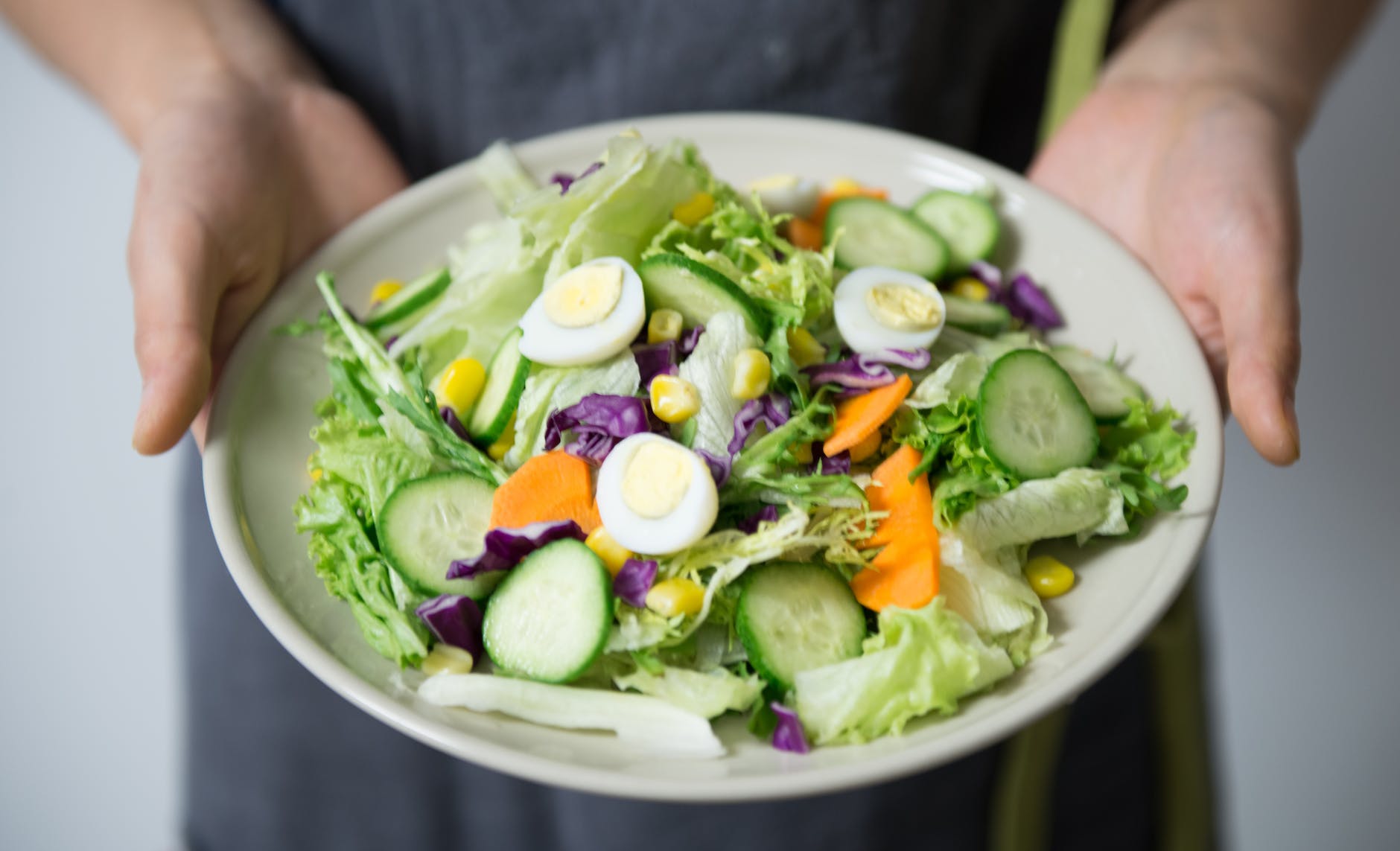
Why should you include more fruits and vegetables in your meals?
1. **Nutrient-rich:** Fruits and vegetables are packed with essential nutrients, including vitamins, minerals, fiber, and antioxidants. These nutrients are vital for maintaining optimal health, supporting immune function, and preventing chronic diseases.
2. **Disease prevention:** Numerous studies have shown that diets rich in fruits and vegetables can help reduce the risk of chronic diseases, such as heart disease, stroke, certain cancers, and obesity. The high levels of antioxidants found in fruits and vegetables can also help protect against cellular damage and inflammation.
3. **Weight management:** Fruits and vegetables are typically low in calories and fat while being high in fiber. Including them in your meals can help you feel full and satisfied while providing essential nutrients, making it easier to manage and maintain a healthy weight.
4. **Digestive health:** The fiber content in fruits and vegetables promotes healthy digestion and aids in preventing constipation. Additionally, fiber contributes to a healthy gut microbiome, which is essential for overall digestive health and immune function.
5. **Hydration:** Many fruits and vegetables have high water content, which can contribute to your daily hydration needs. Staying well-hydrated is crucial for maintaining bodily functions, keeping your skin healthy, and promoting overall well-being.
6. **Versatility and flavor:** Fruits and vegetables offer a wide variety of flavors, textures, and colors, making meals more appealing and enjoyable. From salads and stir-fries to smoothies and desserts, there are endless creative ways to include fruits and vegetables in your meals.
Searching for high-protein foods to fuel your body? Look no further!
- 1. **Lean Meats:** Chicken breast, turkey breast, lean beef, pork tenderloin.
- 2. **Fish and Seafood:** Salmon, tuna, cod, shrimp, tilapia.
- 3. **Eggs:** Whole eggs are a great source of protein, vitamins, and minerals.
- 4. **Greek Yogurt:** Greek yogurt is higher in protein compared to regular yogurt.
- 5. **Cottage Cheese:** Low-fat cottage cheese is protein-rich and can be enjoyed as a snack or added to meals.
- 6. **Tofu:** Tofu is a plant-based protein source used in various dishes.
- 7. **Beans and Legumes:** Lentils, black beans, chickpeas, kidney beans, and other legumes are excellent sources of protein and fiber.
- 8. **Quinoa:** Quinoa is a complete protein containing all essential amino acids.
- 9. **Nuts and Seeds:** Almonds, peanuts, cashews, chia seeds, flaxseeds, and hemp seeds.
- 10. **Soy and Plant-based Protein Products:** Tempeh, edamame, seitan, and protein-rich plant-based meat alternatives.
- 11. **Dairy Products:** Cheese, milk, and whey protein are protein-rich options for those who tolerate dairy well.
- 12. **Protein Powder:** Protein powders, such as whey, casein, or plant-based options, are convenient sources of protein.
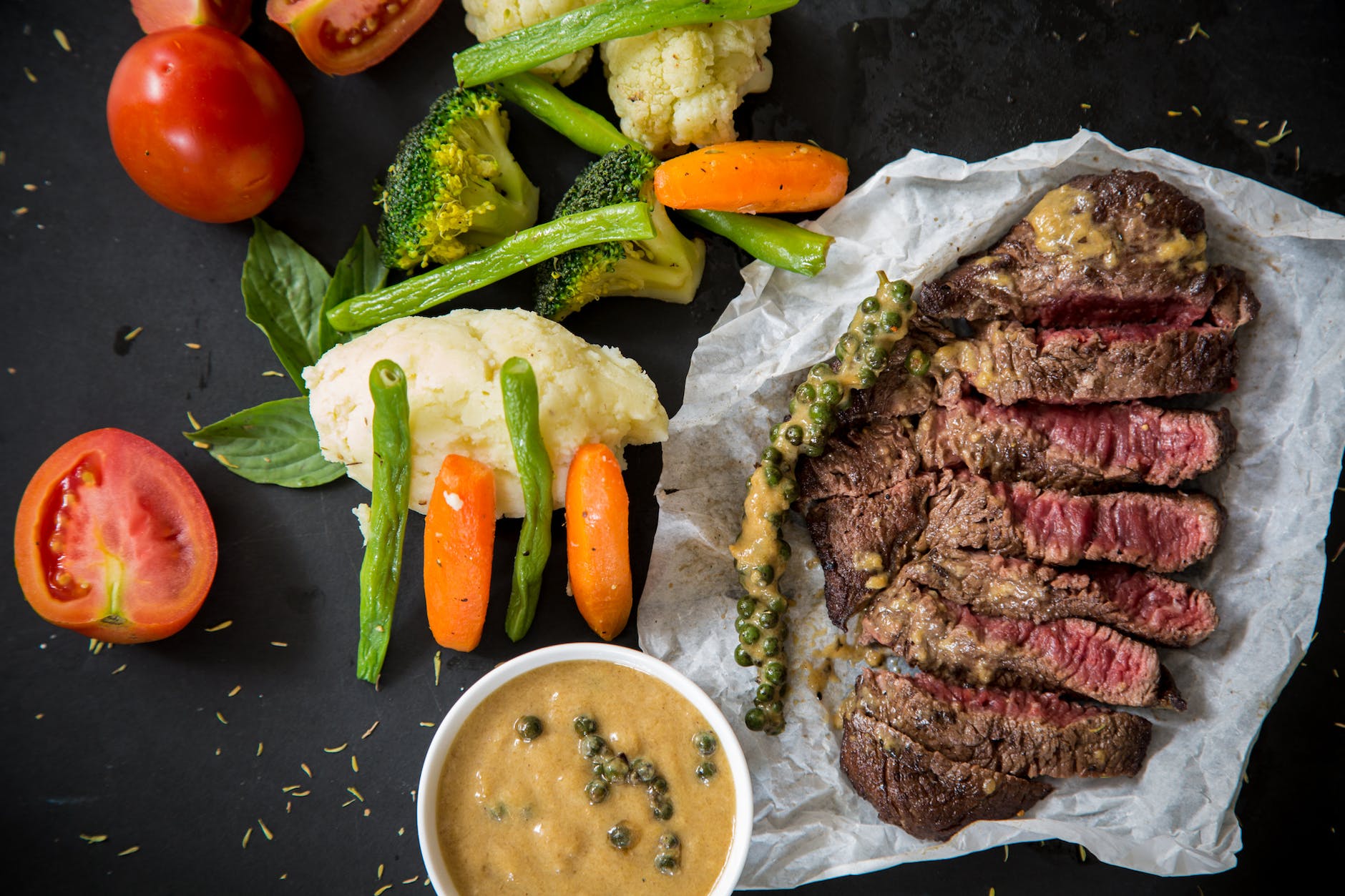
Curious about the latest food trends? Find out what’s hot right now!
- 1. **Plant-based and alternative meats:** The demand for plant-based proteins and meat alternatives has soared in recent years. Brands like Beyond Meat and Impossible Foods have developed plant-based burgers and sausages that mimic the taste and texture of meat.
- 2. **Flexitarian and plant-forward diets:** These eating styles focus on incorporating more plant-based foods into meals while still allowing for occasional meat consumption. They emphasize the health and environmental benefits of plant-based eating.
- 3. **Gut-friendly foods:** People are becoming more aware of the importance of gut health and its impact on overall well-being. Fermented foods like kimchi, sauerkraut, kefir, and kombucha are gaining popularity for their probiotic benefits.
- 4. **Functional foods and superfoods:** There is an increasing interest in foods that offer specific health benefits beyond basic nutrition. Superfoods such as berries, avocados, turmeric, matcha, and chia seeds are sought after for their potential health-promoting properties.
- 5. **Ancient grains:** Ancient grains like quinoa, amaranth, freekeh, and farro have become popular due to their nutritional profiles, diversity, and versatility for various dietary preferences.
- 6. **Healthy snacks:** People are seeking out healthier snack options that are convenient and portable. Snacks like protein bars, veggie chips, nut butter packets, and nutrient-dense energy balls have gained popularity.
- 7. **Sustainable and eco-friendly foods:** There is an increasing focus on environmentally friendly and sustainable food choices.

Want to dine out? Discover the top restaurants near your location
- **Recipe: Lemon Herb Baked Salmon Ingredients:
- – 4 salmon fillet
- -2 tablespoons melted butter
- – 2 tablespoons freshly squeezed lemon juice
- – 2 cloves garlic, minced
- – 1 teaspoon dried oregano
- – 1 teaspoon dried thyme
- – Salt and pepper, to taste
- – Lemon slices, for garnish
- – Fresh herbs (such as parsley or dill), for garnishInstructions:
- 1. Preheat your oven to 400°F (200°C). Line a baking sheet with parchment paper.
- 2. In a small bowl, mix together the melted butter, lemon juice, minced garlic, oregano, thyme, salt, and pepper.
- 3. Place the salmon fillets on the prepared baking sheet. Brush the tops of the fillets with the butter and herb mixture. Make sure to coat them evenly.
- 4. Arrange lemon slices over each fillet for extra flavor and presentation.
- 5. Bake the salmon in the preheated oven for about 12-15 minutes, or until it easily flakes with a fork.
- 6. Once cooked, remove from the oven and let it rest for a few minutes. Garnish with fresh herbs before serving.

Struggling with meal planning? Learn how to effortlessly prep for a week of healthy eating
- 1. **Plan your meals:** Begin by deciding what meals you want to prepare for the week. Consider your dietary goals and preferences. Aim for a balance of protein, whole grains, vegetables, and healthy fats.
- 2. **Create a grocery list:** Once you have your meal plan, make a detailed grocery list. Include all the ingredients you’ll need for your meals and snacks. This helps reduce the chances of forgetting something and saves time at the store.
- 3. **Choose easy recipes:** Opt for recipes that are simple, with minimal ingredients and preparation steps. Look for dishes that can be easily batch-cooked, such as casseroles, stir-fries, soups, or sheet pan meals.
- 4. **Prep ingredients in advance:** Spend some time prepping ingredients ahead of time. Wash and chop vegetables, cook grains or proteins, and portion them into containers. This way, you can quickly assemble your meals during the week.
- 5. **Utilize freezer-friendly meals:** Prepare meals that can be frozen, such as soups, stews, or individual portions of lasagna. This allows you to have ready-to-eat options when you’re short on time or not in the mood to cook.
- 6. **Invest in meal prep containers:** Investing in good-quality, reusable meal prep containers will make it easy to store and transport your prepared meals. Opt for containers with compartments to keep different components separate.
- 7. **Consider theme nights**: Designate different nights for specific themes like Mexican, Italian, or Asian cuisine. This helps add variety to your meals while simplifying the meal planning process.
- 8. **Don’t forget snacks and breakfast:** In addition to planning your main meals, consider prepping snacks and breakfast options. Make snack packs with nuts, fruits, or yogurt parfaits. Prepare overnight oats or egg muffins for quick breakfasts.
- 9. **Schedule a dedicated prep day:** Choose a specific day of the week to dedicate to meal prep. This helps establish a routine and ensures you have meals ready for the upcoming week.
- 10. **Stay flexible:** While planning is important, it’s also essential to stay flexible. Adapt your meal plan based on ingredient availability, changing preferences, or unexpected circumstances.
- Classic Christmas Dinner: Roast Turkey Recipe
- Healthy and Delicious Vegan Recipes for Beginners
- the best healthy meal that can be prepared at home?
- The Perfect Homemade Hummus
- Ratatouille healthy vegetable dish

 kitchen gates
Leave a comment