

What is vitamin D ?
PUBLISHED BY : “Amin & Lee”
Vitamin D is a fat-soluble vitamin that is important for many functions in the body. The primary function of vitamin D is to help the body absorb and use calcium and phosphorus, which are essential for strong bones and teeth. Vitamin D is also important for supporting immune system function, maintaining healthy muscle function, and reducing inflammation in the body.
Vitamin D is unique in that it can be produced by the body when the skin is exposed to sunlight. However, it can also be obtained through dietary sources, such as fatty fish, egg yolks, and fortified foods like milk and cereal. Vitamin D supplements are also commonly available and are often recommended for individuals who may be at risk of deficiency, such as those who get limited sun exposure or have certain medical conditions.
Vitamin D deficiency can lead to a range of health problems, including weakened bones (osteoporosis), increased risk of infections, and increased inflammation in the body. Some signs of vitamin D deficiency include muscle weakness, bone pain, and fatigue. If you are concerned about your vitamin D levels, it is recommended to consult with a healthcare provider to determine the appropriate amount of vitamin D for your particular needs.
Skin protection to prevent cancer
Skin cancer is one of the most common types of cancer, and it is often caused by exposure to UV radiation from the sun. However, there are steps that you can take to protect your skin and reduce your risk of developing skin cancer. Here are a few tips:
- 1. Wear sunscreen: Sunscreen is one of the most important tools for protecting your skin from UV radiation. Look for a broad-spectrum sunscreen with an SPF of 30 or higher, and apply it generously to all exposed skin. Reapply every two hours or more frequently if you are swimming or sweating.
- 2. Seek shade: If possible, avoid spending time in direct sunlight during the peak hours of 10am to 4pm, when UV radiation is strongest. Seek out shaded areas or bring your own shade, such as a hat or umbrella.
- 3. Wear protective clothing: Clothing can also help protect your skin from UV radiation. Choose lightweight, loose-fitting clothing that covers as much skin as possible, and opt for darker colors, which provide more protection than lighter colors.
- 4. Avoid tanning beds: Tanning beds emit UV radiation, which can increase your risk of developing skin cancer. It is best to avoid them altogether and opt for a self-tanning product if you want a bronzed look.
- 5. Get screened: Regular skin cancer screenings with a dermatologist can help identify any suspicious moles or spots and catch skin cancer early, when it is most treatable.
- These steps can help protect your skin from UV radiation and reduce your risk of developing skin cancer. Remember to have fun in the sun, but take steps to protect your skin and stay safe.

food items that are good sources of vitamin D:
The “sunshine vitamin” is vitamin D, which is produced by the body when the skin is exposed to sunlight. However, vitamin D can also be obtained through diet. Here are some food items that are good sources of vitamin D:

1. Fatty fish: Salmon, tuna, and mackerel are all excellent sources of vitamin D.
2. Egg yolks: The yolk of an egg contains vitamin D, as well as other important nutrients.
3. Mushrooms: Some types of mushrooms, like portobello mushrooms, contain vitamin D.
4. Fortified foods: Many foods, such as certain brands of milk, orange juice, and cereal, are fortified with vitamin D.
5. Cod liver oil: This supplement is a rich source of vitamin D, as well as omega-3 fatty acids.
6. Beef liver: Beef liver contains vitamin D, as well as other important vitamins and minerals.
7. Cheese: Some types of cheese, such as Swiss cheese, contain small amounts of vitamin D.
Making sure to include these vitamin-D-rich foods in your diet can help ensure that you are getting enough of this important nutrient. However, it is important to note that vitamin D needs can vary depending on factors like age and health status, and some people may need to take vitamin D supplements to meet their needs.
Is true fruits have vitamin D ?
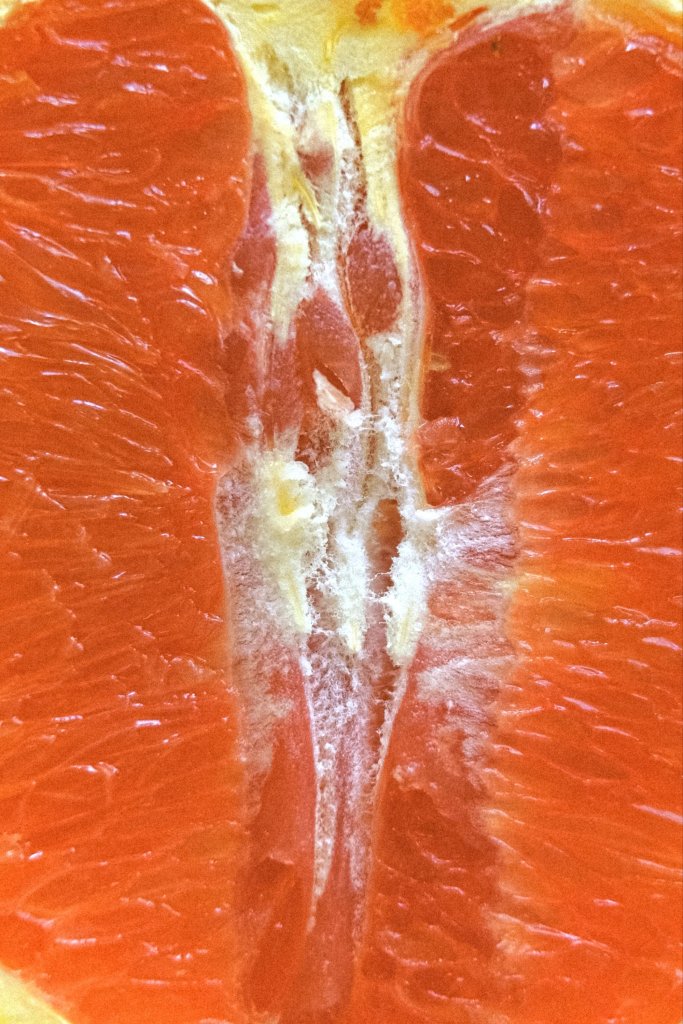



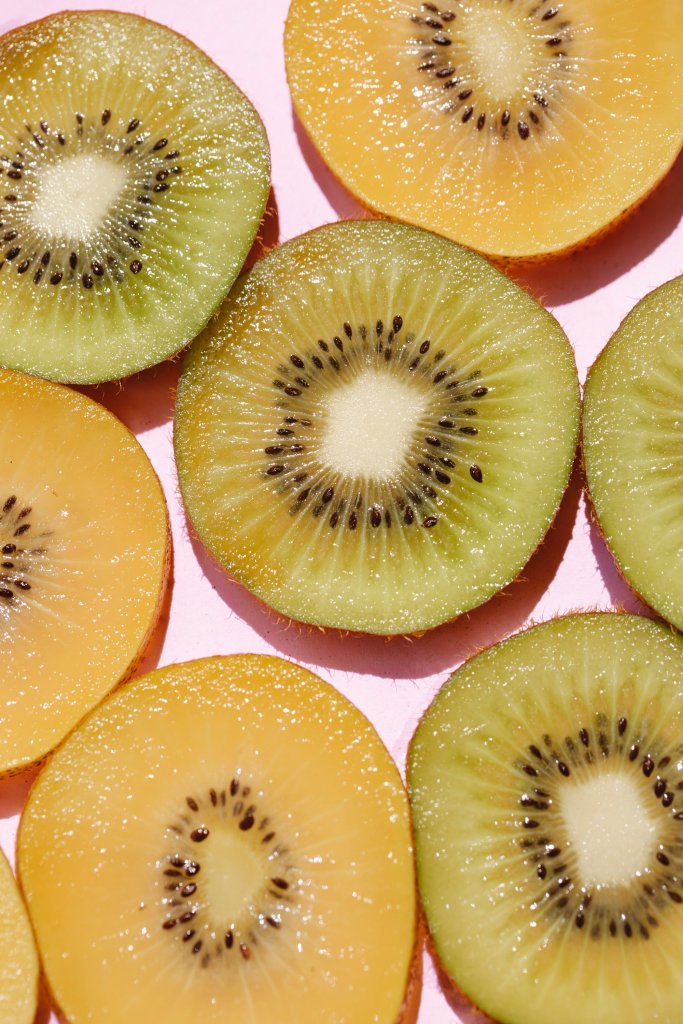
Actually, fruits do not naturally contain vitamin D. Vitamin D is primarily found in fatty fish, eggs, and fortified foods such as milk or cereal. However, some fruits are good sources of vitamin C, vitamin A, and other important nutrients that support overall health.
For example, citrus fruits like oranges, grapefruits, and lemons are known for their high vitamin C content, which plays an important role in maintaining healthy skin, immune function, and metabolism.
Berries such as strawberries, blueberries, and raspberries are rich in antioxidants, which help protect cells from damage and reduce inflammation in the body.
Mangoes are a good source of vitamin A, which is important for maintaining healthy vision, skin, and immune function.
Papayas and kiwis are high in vitamin C, vitamin K, and potassium, all of which support overall health and vitality.
While fruits do not contain vitamin D, they are still an important part of a healthy diet and can provide a wide range of essential nutrients that support physical and mental well-being.
How to have vitamins D in home ?
Here are a few ways to get enough vitamin D at home:
1. Sunlight: Spending time outdoors and getting direct sunlight on the skin is one of the best ways to get vitamin D. Aim for about 10-30 minutes of sun exposure a day, preferably during midday.
2. Fortified Foods: Many food products, such as milk, orange juice, and cereals, are fortified with vitamin D. Check the labels on these products to ensure they contain added vitamin D.
3. Fatty fish: Salmon, trout, and other fatty fish are great sources of vitamin D. Eating these fish 2-3 times a week can provide enough vitamin D for good health.
4. Mushrooms: Mushrooms exposed to UV light can synthesize vitamin D, making them a great source of this nutrient for vegetarians and vegans.
5. Supplements: Taking a vitamin D supplement is another option, especially for those who are unable to get enough vitamin D from their diet or sun exposure.
It’s important to note that getting adequate amounts of vitamin D is crucial for maintaining good overall health, especially during winter months and in areas where sunshine is limited. Speak with your healthcare provider or a registered dietitian to determine the best approach for you to maintain adequate vitamin D levels.
Vitamins D tablets
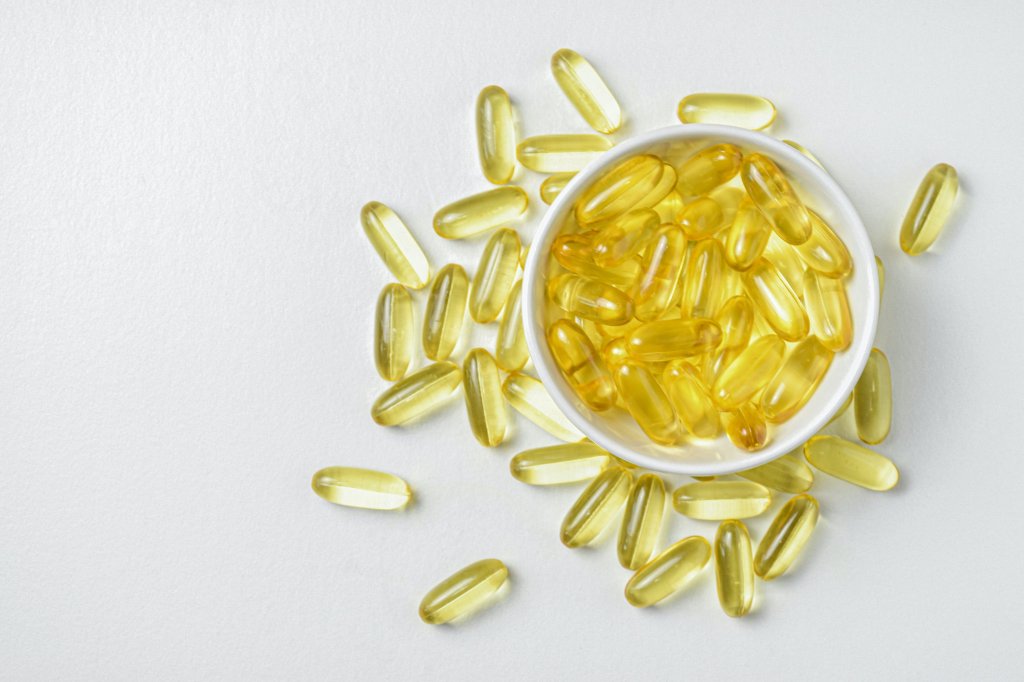
It is generally not recommended to break or crush vitamin D supplements or tablets unless directed by a healthcare provider or a pharmacist. Doing so can affect the absorption and effectiveness of the medication, which can be harmful. It is best to follow the dosage instructions provided on the label or by a healthcare professional to ensure proper use.
Vitamins D per ages
The recommended daily intake of vitamin D can vary based on age, gender, and other factors. Below are the current recommended daily allowances for vitamin D:
– For infants 0-12 months, the recommended daily allowance is 400-1000 IU (international units).
– For children 1-18 years old, the recommended daily allowance is 600-1000 IU.
– For adults 19-70 years old, the recommended daily allowance is 600-800 IU.
– For adults over 70, the recommended daily allowance is 800-1000 IU.
It’s important to note that the body can store vitamin D, and regular exposure to sunlight can help maintain healthy levels. In addition, certain medical conditions and medications can affect vitamin D absorption, so it’s important to speak with a healthcare provider to determine the right dosage for you.
There is no consensus on how much vitamin D one should have per week or per month, as daily requirements can depend on various factors. It is recommended to follow daily requirements and consult with a healthcare provider or a registered dietitian if you have concerns about your vitamin D intake.
Thank you for reading. Follow us for more health tips and information to help you live your best life.”
Visite our home page for more
 kitchen gates
3 responses to “The sunshine vitamin “D” in food”
[…] it is a nutritional powerhouse packed with essential nutrients. Rich in protein, calcium and vital vitamins, milk provides a solid foundation for a strong and healthy body.Building Strong BonesCalcium is […]
[…] Packed with essential vitamins and minerals, carrots contribute to overall […]
[…] Vitamins and […]