

Exercise is essential to achieving and maintaining optimal physical, mental, and emotional health. Here are some of the ways that exercise can benefit older adults in these areas:
Published by 🙂 AMIN & LEE )
1. Improved Cardiovascular Health – Exercise helps to improve circulatory and respiratory function, reducing the risk of developing heart disease, high blood pressure, and stroke.
2. Increased Strength and Flexibility – Exercise helps to build muscle, increase flexibility, and improve balance, reducing the risk of falls and injuries and helping to maintain independence.
3. Weight Management – Exercise burns calories and can help to control weight, reducing the risk of obesity and related illnesses such as diabetes.
4. Better Sleep Quality – Regular exercise has been shown to improve the quality and duration of sleep, leading to better overall health and well-being.
****
1. Reduced Stress and Anxiety – Exercise can be an effective stress-reliever, boosting mood and reducing anxiety and depression symptoms.
2. Improved Cognitive Function – Exercise has been shown to promote the production of brain-derived neurotrophic factor (BDNF), which promotes the growth of new neurons and improves cognitive function.
3. Increased Self-Esteem – Exercise can help to boost self-confidence and self-esteem, helping older adults to feel better about themselves and their abilities.
4. Opportunity for Social Interaction – Exercise can provide older adults with an opportunity to socialize and connect with others, reducing feelings of isolation and loneliness.
Here are some common reasons why people may be resistant to starting a sport and how to overcome these barriers:

1. Fear of Failure – Many people may fear that they are not good enough to start a sport or that they will not succeed in it. To overcome this, it’s essential to remember that everyone starts from somewhere and that everyone makes mistakes. Focus on learning from those mistakes and improving over time.
2. Lack of Time – Trying to fit regular exercise or sports into a busy schedule is challenging, and many people may feel like they don’t have enough time. To overcome this barrier, try to prioritize physical activity by scheduling it in your calendar first. Even starting with just a few minutes of exercise each day can make a difference.
3. Financial Constraints – Some sports require expensive equipment or gym memberships, which can be a barrier for some people. To overcome this, try looking for more affordable options such as community center programs or finding a sport that requires little to no equipment.
4. Lack of Support – Starting a new sport can be intimidating, especially if you’re doing it alone. Finding a friend you can do it with can be a great motivator and provide much-needed support on your journey.
5. Procrastination and Self-Doubt – Many people may struggle with motivation and start procrastinating or second-guessing themselves. To overcome this, set clear and achievable goals, break them down into smaller steps, and celebrate your progress along the way.
In conclusion, starting a sport can be an incredible way to improve physical and mental health, build community, and learn new skills. Overcoming barriers such as fear of failure, lack of time, financial constraints, lack of support, procrastination, and self
****

- You are capable of creating the life that you desire. Whether you are struggling with a specific issue or just feeling stuck in a rut, know that you have the power to make positive changes.
The first step in taking control of your life and happiness is to identify areas that you would like to improve. Once you have a clear understanding of what you want, set realistic goals and create a plan to achieve them.
Remember that change is a process, and it’s essential to be patient and gentle with yourself along the way. Celebrate your progress, no matter how small, and use your accomplishments as motivation to keep pushing forward.
Surround yourself with supportive people who encourage and uplift you. Seek out role models and mentors who can offer guidance and inspiration as you navigate your journey.
Finally, know that you are worthy of happiness and fulfillment in life. Believe in yourself and your dreams, and never give up on pursuing what you truly want.
- You have the power to create the life that you deserve, so take control, take action, and trust in your abilities to make your dreams a reality.
Benefits of Sports

1. Improved Balance – Many sports require balance, and practicing these sports can improve your balance and coordination. This is especially important as we age because it can help prevent falls and injuries.
2. Increased Flexibility – Playing sports often requires stretching and moving your body in different ways, which can increase flexibility over time. Improved flexibility can make everyday activities easier, like reaching for something on a high shelf.
3. Increased Strength – Certain sports require strength training, which can help build muscle mass and improve your overall strength. This can improve your posture, increase your metabolism, and make everyday tasks easier.
4. Better Cardiovascular Health – Sports that get your heart rate up, such as running, swimming, and cycling, can improve your cardiovascular health and reduce your risk of heart disease. Regular participation in sports can lower your blood pressure, improve circulation, and increase your lung capacity.
5. Improved Endurance – Sports that focus on endurance, such as long-distance running or cycling, can increase your body’s ability to use oxygen more efficiently and help you to work out for longer periods of time.
Participation in sports as a regular exercise program can have a significant impact on the independence, fall prevention, and overall quality of life of an individual. Here’s how:
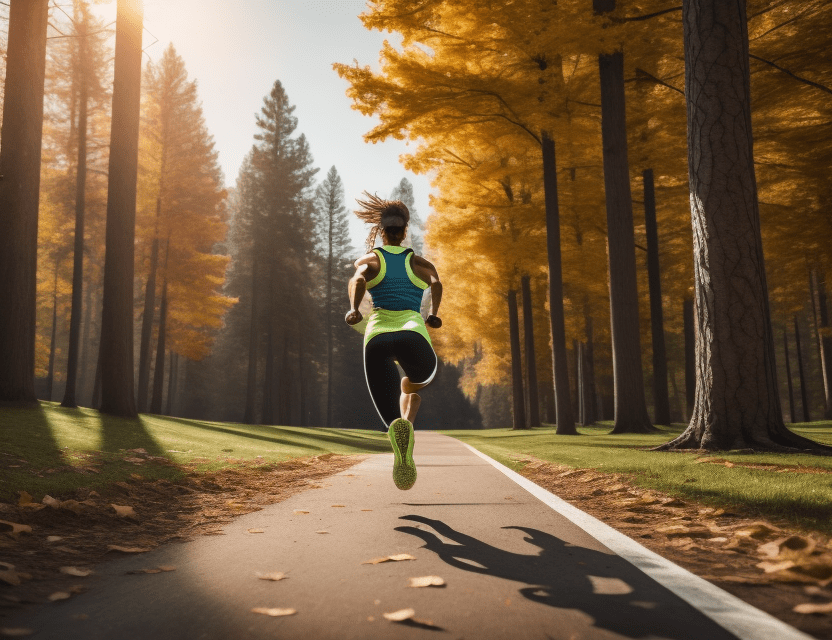
1. Maintaining Independence – Regular physical activity through sports can help maintain muscle strength, flexibility, and balance, which supports independent living. Improved physical function helps older adults to perform daily activities, such as toileting, dressing, and bathing, without assistance.
2. Preventing Falls and Injuries – Sports that focus on improving balance, strength, and coordination can reduce the risk of falls and injuries in older adults. By strengthening the muscles that support the joints and improving balance, older adults can reduce the risk of falls, which can cause long-term injuries.
3. Improving Quality of Life – Participation in sports activities provides the opportunity to socialize and engage with other people, reducing isolation and nurturing a sense of belonging. It also promotes a sense of achievement and accomplishment, enhancing self-esteem and overall mood.
4. Enhancing mental health – Participation in sports can help to combat feelings of stress, anxiety, and depression. The release of endorphins during exercise helps to reduce stress levels and promote feelings of happiness, and can help combat depression and anxiety symptoms.
Sports have several mental and emotional benefits that make it a great way to improve overall well-being. Here are some specific mental and emotional benefits of sports:

1. Reduced Stress – Exercise releases endorphins, which are natural stress reducers. Participation in sports can be an effective way to reduce stress levels and manage anxiety in adults, ultimately contributing to improved mental and emotional health.
2. Increased Self-Esteem – Participating in sports activities can contribute positively to an individual’s self-esteem and body image, leading to improved confidence and self-worth. It makes individuals feel productive, valued, accomplished, and increases their sense of self-worth.
3. Improved Cognitive Function – Physical exercise has been shown to improve cognitive function, including memory, focus, and attention. Participation in sports enhances various skills, such as coordination, planning, and reaction time, which can improve brain function and prevent cognitive decline.
4. Social Connection – Sports can foster social connection and build relationships. By participating in sports that offer opportunities for teamwork and group play, individuals can improve their social skills, reduce feelings of isolation, and enhance their overall well-being.
5. Improved Mood – Exercise is a natural mood booster. Physical activity releases endorphins in the brain, which can improve feelings of happiness, reduce symptoms of depression, and alleviate anxiety.
In conclusion, sports have significant mental and emotional benefits that contribute to leading a healthy and fulfilling life. These benefits include reduced stress, improved self-esteem, enhanced cognitive function, improved social connection, and improved mood. By participating in sports and physical activity, individuals can develop these positive benefits, improve mental health, and enjoy a happier and healthier life.
Some common challenges that people may face when starting a sport include:

1. Fear of injury – This is a common challenge that people face when starting a new sport. They may be afraid of getting hurt, which can hinder their progress and prevent them from fully engaging in the sport.
2. Lack of social support – Some people may struggle with a supportive community or may feel isolated when starting a new sport. Without social support and encouragement, they may find it difficult to continue.
3. Financial or limitations – Participating in some sports can be costly, which may prevent some people from pursuing their interest in the sport. People with physical limitations may also need to invest in specialized equipment or modifications to participate in the sport fully.
4. Time constraints – Balancing work, school, family, and other responsibilities can limit the time people have to dedicate to a new sport. This limitation may make it difficult for them to commit to a consistent practice or training schedule.
5. Overcoming self-doubt – People may struggle with self-doubt, thinking they are too old or not talented enough to participate in a sport. They may fear being judged, which may stop them from trying.
To overcome these challenges, people can take a few actions. First, it’s essential to set realistic goals, find a supportive community, and invest in proper equipment. Second, they need to prioritize time for training, practice, and building their skills. Additionally, seeking support and guidance from coaches, trainers, or experienced athletes can be very useful. Finally, it’s essential to focus on progress, not on the end result, and remind themselves that even the great athletes started somewhere.
Starting a sport can be a daunting task, but taking the first step is the most crucial one. Here are some words of encouragement to motivate you to take the first step towards starting a sport:

1. Believe in Yourself – Have faith in your ability to succeed, and don’t let self-doubt hold you back. Remember that everyone starts somewhere, and progress is more important than perfection.
2. Focus on the Benefits – Participating in sports offers many physical, mental, and emotional benefits, such as improved health, better mood, increased self-confidence, and sense of accomplishment. These are all reasons to motivate yourself to give sports a try.
3. Embrace the Challenge – Starting off with sports can be challenging, and that’s okay. Embrace the challenge as an opportunity to grow and become better at the sport.
4. Celebrate Small Wins – Celebrate small milestones and achievements along the way. Every step counts, and each small win brings you closer to your ultimate goal.
5. Find Support – Seek the support of friends, family, coaches, or fellow athletes to provide the necessary guidance, encouragement, and motivation. They can be instrumental in helping you achieve your goals.
In conclusion, taking the first step towards starting a sport requires overcoming obstacles and facing challenges. However, by believing in yourself, focusing on the benefits, embracing the challenge, celebrating small wins, and finding support, you can break through the barriers and embark on a fulfilling sports journey.
Success Stories and Inspiration
Here are some success stories of people who started sports later in life and the impact it had on their lives:

1. Diana Nyad – at age 64, Diana Nyad became the first person to swim from Cuba to Florida without a shark cage. She had previously attempted the swim four times but only succeeded on her fifth try. Nyad’s perseverance and dedication to training inspire many older adults to pursue their athletic goals, no matter how impossible they may seem.
2. Tao Porchon-Lynch – at 101 years old, Tao Porchon-Lynch is the oldest yoga teacher in the world. She has been practicing yoga for over 75 years and has inspired countless people to start practicing yoga later in life. Tao says that yoga has allowed her to maintain her strength, flexibility, and sharpness of mind well into her later years.
3. Sister Madonna Buder – at age 86, Sister Madonna Buder became the oldest woman to complete an Ironman triathlon. She has completed over 45 Ironman races and continues to compete today. Sister Madonna says that her faith and resilience have allowed her to overcome life’s challenges and keep pushing herself, regardless of her age.
4. Ed Whitlock – Canadian long-distance runner Ed Whitlock began running in his 40s and set many world records in his age categories, including the marathon record for runners over 70 years old. He continued to compete well into his 80s and credited running as the reason why he still had no major health problems even at that age.
In conclusion, these success stories inspire and demonstrate that people can achieve incredible athletic success later in life, regardless of age. The positive impact on their lives can motivate others to take up sports, improve their quality of life, and inspire them to achieve their goals.
Finding your unique path to sports can be an exhilarating journey that unlocks a new chapter of your life. You may discover hidden talents, improve your overall well-being, and build strong social connections.
Here are some ways to find inspiration and motivation on your way to sports:

1. Try Different Sports – Trying different sports can help you discover what excites you most. You may learn new skills, find a new hobby, and enjoy varying physical and mental benefits unique to each sport. Experimentation may lead to your unexpected passion or a life-long commitment.
2. Join a Team – Joining a team is a great way to connect with other like-minded individuals who share your interest in sports. You can build meaningful social connections and support each other during training, competition and beyond. The camaraderie of teamwork can make sports an exciting, inclusive, and a fun-filled activity.
3. Find a Workout Buddy – Finding a workout buddy is a great way to stay motivated and accountable for your fitness goals. You can bond over shared interests and push each other towards success. Having a supportive partner can make sports more enjoyable and efficient.
4. Set Realistic Goals – Setting realistic goals encourages you to stay on track and achieve measurable progress. Start by setting small, achievable goals and gradually work towards more significant challenges. Success in the sport is not about beating others but about beating your previous best.
5. Celebrate Progress – Celebrate your progress along the way. Every small win brings you closer to the larger goal, building self-confidence and revealing the joys of the sport. Appreciate the experience, the new people, the increased energy, and the health benefits.
In conclusion, finding your unique path to sports requires an open mind, spirit, and willingness to learn. By trying different sports, joining a team, finding a workout buddy, setting realistic goals, and celebrating progress, sports can be an exciting, impactful, and meaningful adventure.
Here’s why positive thinking and never giving up on oneself are so critical:

1. Transformation of Mindset – A positive attitude can transform one’s mindset, allowing them to see possibilities where others see obstacles. When people adopt a positive mindset, they approach challenges with a proactive and solution-focused mindset rather than succumbing to negative thoughts, self-doubt, or fear.
2. Drive Growth and Development – When you don’t give up, you keep advancing, growing, and developing. Trying and failing, persevering, and mastering new skills are all part of the process. Positive thinking and never giving up keep us moving forward toward our goals.
3. Increase Self-Confidence – Positive thinking empowers individuals to believe in themselves, resulting in increased self-confidence and overall resilience. When people feel confident about their abilities, they are more likely to take calculated risks, seize opportunities and pursue their dreams.
4. Foster a Supportive and Positive Environment – Positive thinking and never giving up on oneself can impact the people around you positively. It instills a can-do attitude in others and sets the tone for a supportive and positive environment, in which members motivate and encourage one another to achieve their goals.
Therefore, embracing positive thinking and never giving up on oneself can help uncover hidden potential, achieve remarkable results, and live an inspiring and fulfilling life.
- Engaging in sports activities offers many benefits, including physical health improvements such as increased strength, endurance, agility and flexibility, reduced risk of chronic diseases, and enhanced well-being. Additionally, sports also promote mental health and emotional wellness by reducing stress, anxiety, and depression, increasing confidence and self-esteem, and building social connections and sense of belonging.
- To improve one’s health and happiness, it’s crucial to take action, including finding a sports activity that appeals to you, setting achievable goals, and staying consistent with your commitment. Taking regular breaks, celebrating small achievements, and seeking support from a training partner, coach or mentor can also help on the journey. With the right mindset, motivation, and support, anyone can unlock their potential, achieve their goals, and enjoy the many benefits that sports have to offer.

Taking the first step towards a happier, healthier life through sports can be intimidating, but it’s essential to remember that small actions lead to significant transformations. Embrace your uniqueness and pace, focus on progress more than perfection, and celebrate every achievement along the way.
Believe in your abilities, stay motivated, and surround yourself with positive influences. Change is possible, and your journey can inspire greatness in others.
Remember that every day presents an opportunity to rewrite your story, and sports can be the beginning of your next chapter. Take the first step today, and Smarty will be here to assist you along the way.
Together, let’s make a commitment to a healthier, happier and more fulfilling life through sports.
Please, friends, if you like the post, do not skimp on sharing. Our fame is a treasure for you. Follow us
#aminnlee #aminnleeofficial #Amin&Lee
start doing sport now
t
 kitchen gates
2 responses to “Motivating to Start Doing Sports: Tips and Inspiration to Get Moving”
[…] it comes to muscle growth and recovery, milk is a champion. The high-quality protein found in milk contains all the […]
[…] Home Vegetable fruits summer sports […]